Editorials
‘Countdown’ – 2012 Thai Thriller Is a Darkly Fun Way to Ring in the New Year

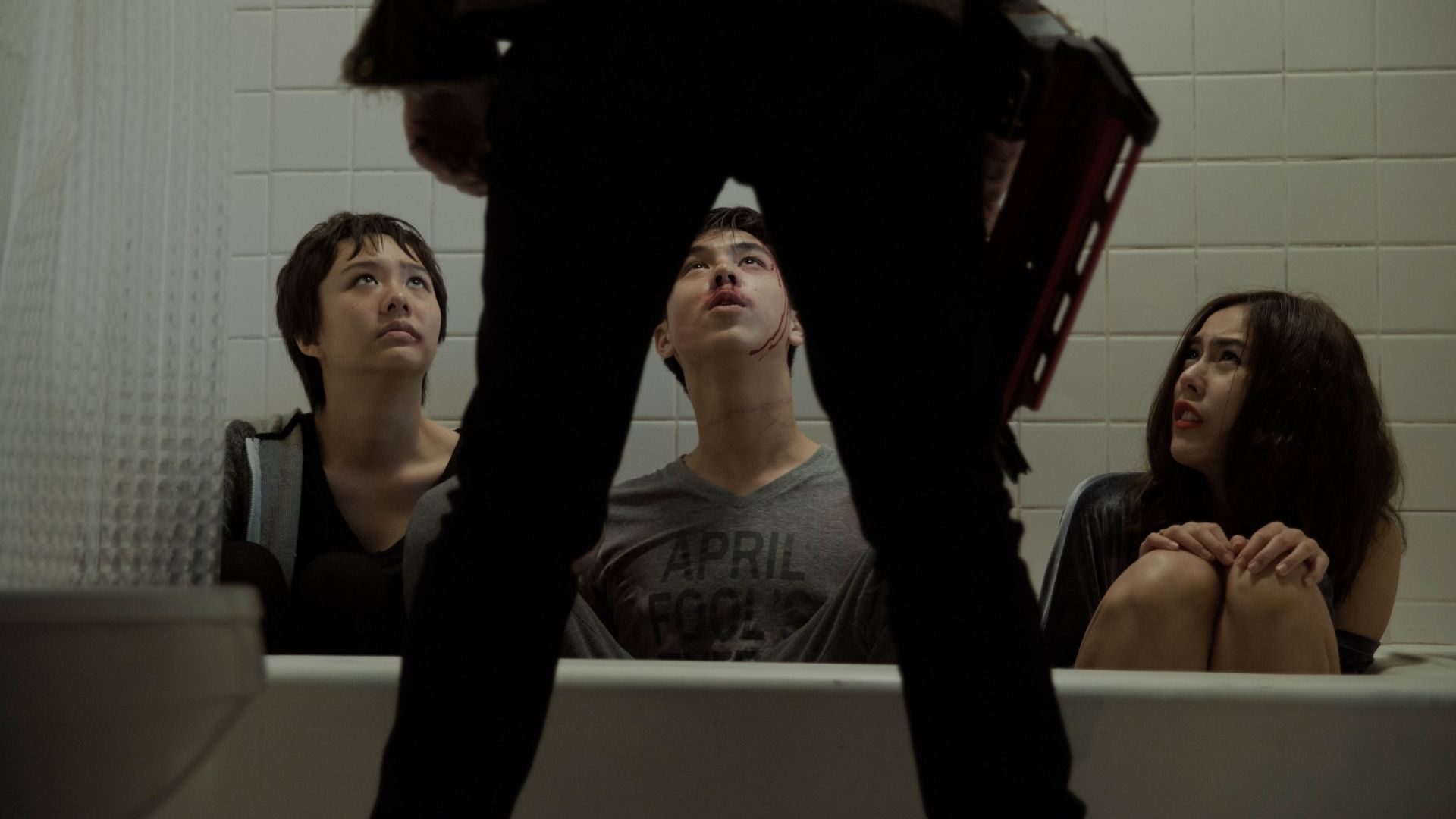
While New Year’s is just the first day of January for most people, others consider it to be something more momentous. It represents a fresh start, especially for those who desperately need a change in their lives. The three core characters in Nattawut Poonpiriya’s 2012 movie Countdown don’t know it yet, but their New Year’s Eve is going to be a time of reflection and, most importantly, survival.
The college-age characters in Countdown have a problem that only people their age would consider a real crisis; their weed dealer has retired as part of his own clean slate. But if they want to have a fun New Year’s Eve, then roommates Bee, Jack and Pam (Jarinporn Joonkiat, Pachara Chirathivat, Pattarasaya Kreursuwansiri) need to find another source, stat. This brings them to calling Jesús (David Asavanond) from the torn-up business card that Jack found in his ex-dealer’s place. They have to guess the last digit in his phone number, yet to their own surprise, Jesús picks up after the first try.
Countdown kicks off like other movies about misfits scraping by in life and learning how to be adults the hard way. Bee is thrilled to learn she and Jack aren’t having a baby as she first suspected, Jack is still pocketing the tuition money his father sends him from back home in Thailand, and Pam’s desperation to be loved leads to petty theft. It’s understandable if the younger characters are hard to stomach; they’re blatantly obnoxious and entitled. Of course it’s their immaturity that fuels the main conflict; Jesús, the traveling drug dealer who bears a slight resemblance to his biblical namesake, doesn’t appreciate being the butt of others’ jokes.

The movie fully enters thriller mode after teasing it earlier. There was always something “off” about Jesús, but when he pulls Jack’s pants down and spanks his ass with a spatula, all bets are off. Countdown becomes more and more unpredictable as the drug dealer reveals a hidden agenda and holds his clients hostage in their apartment. This branch of the “home invasion” subgenre requires a believable setup to warrant the turned tables, and a drug deal gone bad isn’t the worst way to get the ball rolling. Of course Jesús’ motives for attacking Bee and the others has less to do with a faulty transaction and more to do with their innermost secrets.
There’s more to the story than the basic premise suggests, and viewers can appreciate this serpentine quality. As terrifying as it is to be held hostage in a bathtub, with a nail gun in your face, Jesús’ vested interest in these three party kids is more daunting. There’s a certain Shyamalanism to Countdown’s antagonist, who isn’t the dolt he originally made himself out to be. Asavanond’s cunning performance, delivering jacked-up and holier-than-thou craziness scene after scene, isn’t one to miss. His co-stars assume the position of victims, though their previous sleepiness is nowhere to be found now that they’re being tortured, one by one.
Countdown, for the most part, occurs solely in the protagonists’ barebones apartment. Had someone not run out to find help in the deserted building, the movie could be likened to a stage play. Limiting the characters to their own home robs the script of any particularly memorable set pieces, though. Bee and her roommates are either menaced in the off-white bathroom, or they’re roughed up in their yellowy living room. The domestic location is more minimal and drab looking than one might like, yet this adds to the overall unpleasantness.

There is no visual transition between the movie’s tones to speak of, but the narrative swerve into perverse torture is organic. Jesús is a walking red flag, so satisfying audience expectations was the only way to go. Where Poonpiriya bends genre rules is inviting an element not routinely used in other home-invasion stories. It adds an unexpected sense of surrealism that glues dangling plot bits together. At the same time, it invites more unanswered questions about the strange world these characters live in. What spurred this unforeseen revelation, and why did it happen tonight? You can only infer an answer, based on the ending.
Countdown doesn’t do what other drug movies do, and that is playing the story out like a bad bender. In spite of several peculiarly uncanny moments between captives and captor, the story is sobering and rooted in harsh realism. It’s not a fanciful New Year’s Eve for these unfortunate characters who only wanted to enter 2013 as high as a kite. Although, the questionable and somewhat underserved conclusion is removed from reality. There isn’t anything individually likable about Countdown; everyone sits somewhere on a spectrum of loathsomeness. As soon as Jesús begins bestowing his patent brand of cruelty on these misguided brats, though, this thriller picks up and becomes a darkly fun way to ring in the New Year.
Horrors Elsewhere is a recurring column that spotlights a variety of movies from all around the globe, particularly those not from the United States. Fears may not be universal, but one thing is for sure — a scream is understood, always and everywhere.





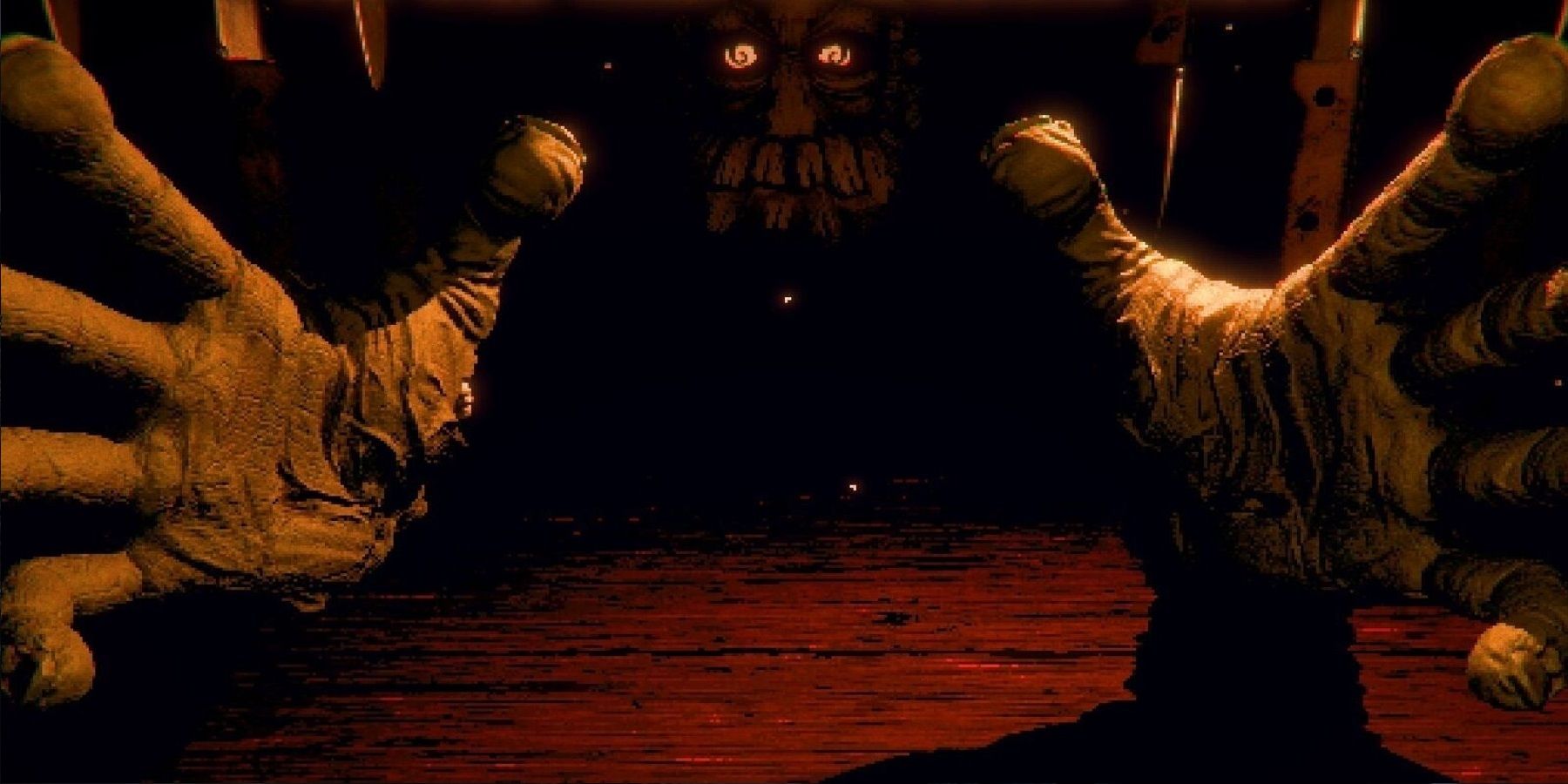
If there’s one artistic medium that can perfectly recreate the despair of living through a vivid nightmare, it has to be video games. A simulated world can be just as believable as the developers want it to be, and once you add in the added complexity of actually exploring and participating in spaces and events instead of just observing them as you would in a film, it starts to become clear why so many horror titles add mind-bending meta elements that make you fear the act of playing itself.
For instance, years ago, I remember scoffing at Silent Hill: Shattered Memories due to its initial disclaimer promising that “this game plays you as much as you play it,” only to later go through unexpected heartbreak once the developers used the game’s personalization mechanics to make the ending even more impactful. This is just one example of interactive experiences reaching through the screen in order to affect gamers, and in honor of eerie fourth-wall breaks and haunted game folders everywhere, today I’d like to recommend six other meta horror games liable to melt your brain (but in a good way).
For the purposes of this list, I’ll be defining “meta” as any game that incorporates/addresses the fact that you’re playing a game into the overall narrative. That being said, this is far from a definitive guide to the meta horror genre, so don’t forget to comment below with your own favorites if you think I missed a particularly spooky one.
With that out of the way, onto the list!
6. Bubbaruka!

I was fascinated by virtual pets as a kid. Pokémon Yellow was always my favorite entry in the franchise because you could look behind you and check in on Pikachu, and you’d never find me on the playground without my trusty blue Tamagotchi. That’s why it felt like Benjamin Schade’s Bubbaruka! was made for me, personally.
A survival horror throwback where you explore an unfinished version of a nostalgic virtual pet game that a friend of yours found hidden inside a used laptop, this surprisingly lengthy title will soon have you questioning the limits of virtual life and death. Just remember not to lower your guard just because of the game’s cutesy retro graphics, as Bubbaruka! has a lot more up its lo-fi sleeves than you may initially realize.
5. Inscryption

Roguelike deck-building may no longer be the novel game mechanic that it once was, but when it works, it really works. If there’s one of these randomized titles that still hasn’t been beaten despite years of competitors attempting to one-up its card-based thrills, it’s Daniel Mullins’ infamous Inscryption.
What starts as a supernatural haunted cabin story soon with folk horror aesthetics soon evolves into a mind-bending exploration of the terrors of programming itself, though I won’t get into details as this is one genre narrative that is best experienced firsthand.
While the latter half of the game isn’t quite as mechanically engaging as that memorable first act, Daniel has since updated the title with an infinite tabletop mode so you can continue battling Leshy to your masochistic heart’s content.
4. SIMULACRA

Despite smartphones being such a crucial part of modern-day life, there isn’t a lot of media that explores this virtual aspect of our online selves in any meaningful capacity. That’s why I was originally compelled to try out Kaigan Games OÜ’s SIMULACRA – a mystery game where you find a lost phone and attempt to unravel the secrets of a missing young woman named Anna.
From fully functional apps to authentic-looking Found Footage videos detailing Anna’s life and social group, SIMULACRA will leave you feeling like a reluctant detective that can’t help but get involved in a missing persons case that only gets stranger the more you learn about it.
If you like this one, don’t forget to check out the mechanically superior sequels.
3. A Dark Place

XerStudios’ A Dark Place may be controversial due to its malware-like approach to messing with your computer systems as you play, but I’d argue that this experimental form of interactive art makes the game that much more fascinating – especially since the story behind the title is interesting enough for it to be worth dealing with what some fans jokingly consider to be legitimately cursed game files.
While this 2018 title is best experienced blind, I’m a big fan of how the game uses extremely simple mechanics to tell a complex story that lingers long after you’ve (hopefully) managed to uninstall the curse.
2. MyHouse.wad

Adding MyHouse.wad to this list is kind of a cheat since it’s technically a Doom II mod instead of a standalone release, but there’s no way that we could discuss fourth-wall-breaking meta horror experiences without bringing up the videogame equivalent to Mark Z. Danielewski’s iconic House of Leaves.
I won’t get into details in order to avoid spoilers, but Steve Nelson’s bizarre creation starts out as an architectural tribute to a deceased friend before quickly evolving into a freaky example of liminal horror and the limits of virtual obsession.
If you’ve ever felt like living through a Creepypasta, this is the game/mod for you!
1. Forbidden Solitaire
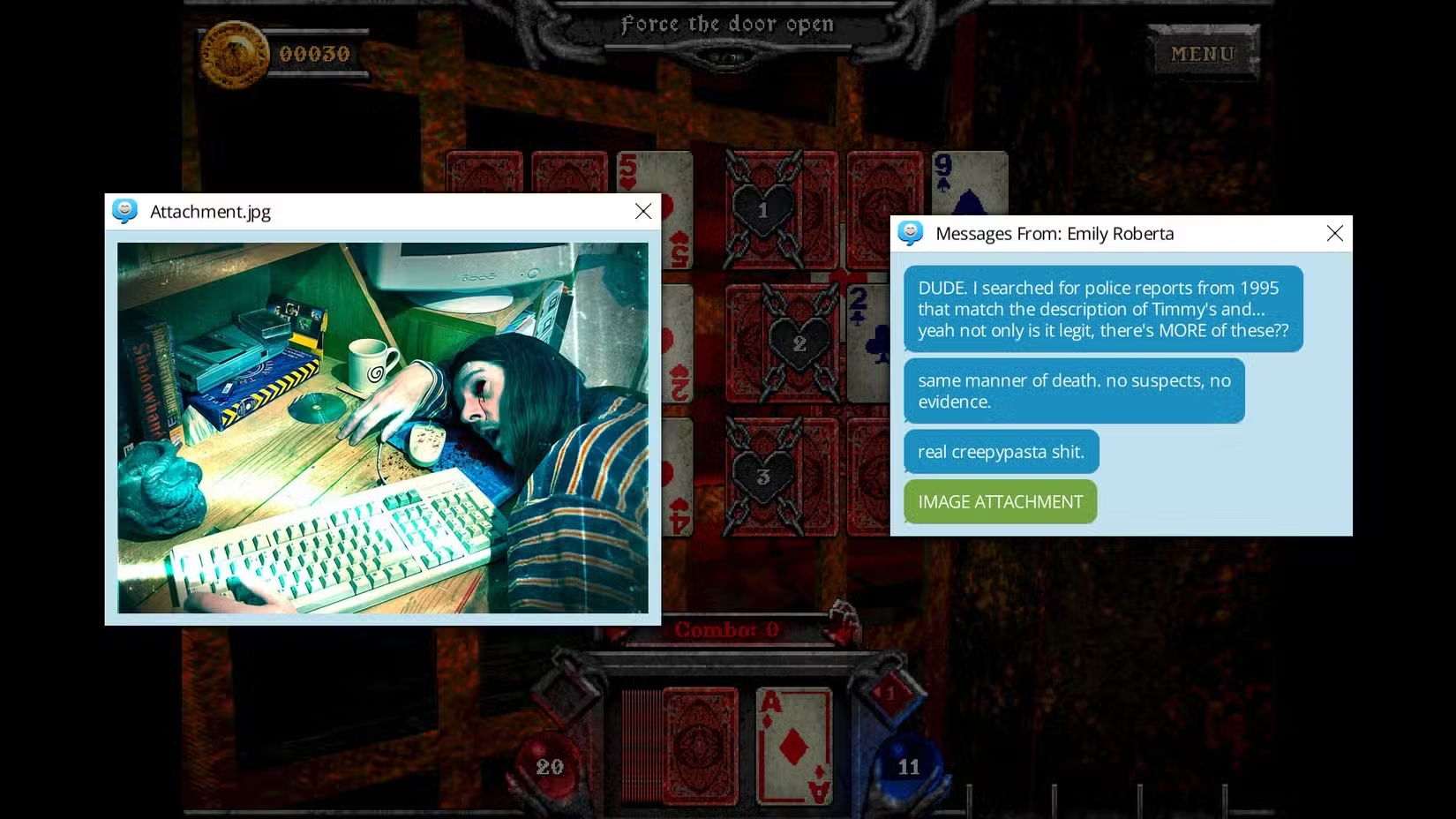
The most recent release on this list, Grey Alien games and Night Signal Entertainment’s Forbidden Solitaire, may not be a technically complex title, but it’s certainly one of the most entertaining interactive horror romps of the past few years.
This tongue-in-cheek project presents itself as an eerily authentic piece of screenlife horror where you try out a mysterious card game from the ’90s while your sister attempts to warn you about the title’s allegedly “cursed” history. While poking through the protagonist’s desktop screen and receiving fascinating FMV footage from Emily is entertaining enough, using the power of Solitaire to destroy demonic entities is terrifyingly addictive.
You must be logged in to post a comment.