News
13 Days of Horror, Day 1: A Resident Evil Retrospective

Welcome to the first day one in Dead Pixels thirteen day long celebration of the holiday we love: Halloween. I tried to do this for my birthday but apparently, my aging a year isn’t as big an event as I always assumed it was, so unfortunately The 13 Days of Adam was canceled. Hopefully you’ll find this series a little more interesting, but I want you to remember what could’ve been.

In case you’re still wondering what this series is all about, every day we’ll do something a little different, ranging from retrospectives of series we consider to have had a helping hand in shaping the horror genre into what we enjoy today, to lists, and anything in between. The first series I’ll be taking a look at is arguably the most influential one in the genre: Resident Evil. Resident Evil is important for a myriad reasons; it’s the most successful horror franchise (both in terms of sales, critical reception, and the success of the films that are loosely based on them; it has zombies (everyone knows zombies make anything better), and it’s one of the few games in the genre that’s managed to create for itself a legacy that’s inspired many games even today (Gears of War was influenced in part by Resident Evil 4).
Since its inception in 1996 the seres has managed to sell well over 40 million units and its films have managed to gross a hefty $621 million worldwide. But there’s a good chance you knew most of that, and since numbers are boring (just ask anyone currently in a math class) let’s get down to the real meat of the franchise.
So why do we like this series so much and why has it managed to grow over the years when most of its siblings have slowly faded away? Other than zombies, a sub-genre that’s proved impossible to die off (forgive the pun) I think Resident Evil has remained so popular because of its ability to evolve successfully. Plenty of horror series have tried branching into different genres or mixing up he gameplay a bit but while most have failed (like, Dino Crisis 3 for example) Resident Evil has proved itself capable of adapting to the ever-changing world of video games with sometimes fantastic results.

Granted, the series hasn’t always been successful as the second Outbreak title received lukewarm reviews and sold far less than its predecessor and Dead Aim isn’t looked upon too fondly. The best example of the series success is without a doubt Resident Evil 4, which removed most of the horror elements that defined the games for so long and replaced them with (then) responsive controls, an over-the-shoulder camera, and amazing gameplay. Puzzles, searching for keys, frustrating cameras, and tank-like controls weren’t gone completely but for the most part RE4 marked a revolution for the series, and more importantly, the genre.
The latest game in the main series, Resident Evil 5, was a huge success, but it wasn’t everything Capcom hoped it would be. Because of that they’re going back to the drawing board, promising yet another RE4-style reboot of the series, and hopefully returning it to its roots in horror.
And while Resident Evil was busy redefining what it meant to be a horror game its competition was trying something much different, but we’ll save that for tomorrow.



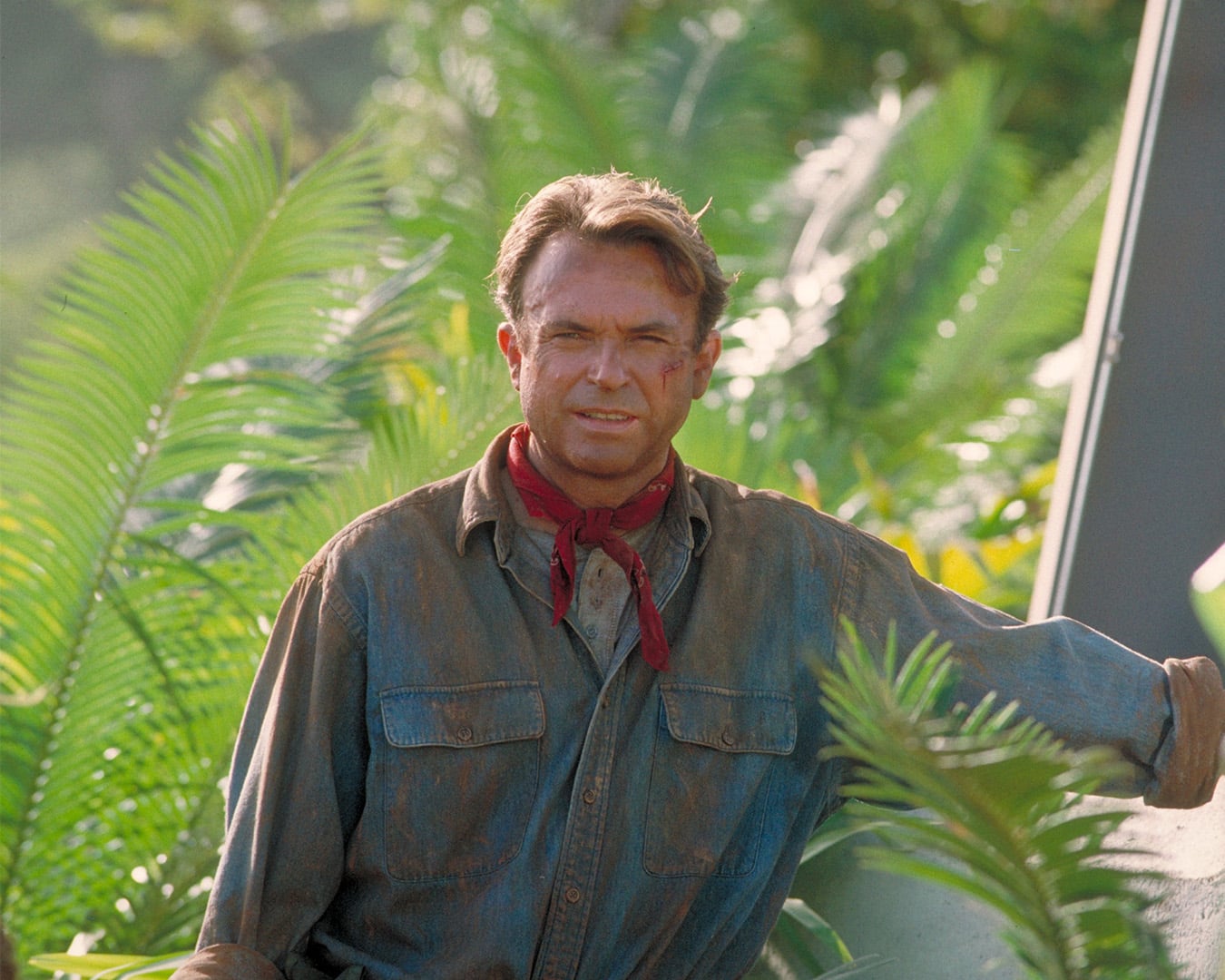
Sam Neill, the New Zealand actor best known for his role in 1993’s Jurassic Park, has passed away this week at 78 years old. In a statement shared on Neill’s Instagram page this morning, the actor’s family said that his passing was “sudden and unexpected.”
Neill had been diagnosed with a rare blood cancer in 2022, but stated the following year that he was in remission. The family notes that he “remained cancer free” at the time of his passing.
The family statement reads, “It is with immense sadness that the whānau of Sam Neill share the news of his passing on Monday 13th July, in Sydney Australia. Sam was surrounded by family and passed with the dignity that has characterised his whole life. The loss was sudden and unexpected but blessed by the fact that Sam remained cancer free.
“They would like to express their deepest gratitude to the staff at St Vincent’s Private Hospital for their incredible care. More details will be shared later, but for now, on behalf of the family, we ask that you respect their privacy as they navigate this immeasurable loss.”
In addition to his iconic role as Dr. Alan Grant in the original Jurassic Park and the sequels Jurassic Park III and Jurassic World: Dominion, Sam Neill left an indelible mark on the horror genre with memorable roles in Andrzej Żuławski’s Possession, The Omen: The Final Conflict, John Carpenter’s In the Mouth of Madness, and sci-fi horror favorite Event Horizon.
Sam Neill’s vast resume in film and television began in the early 1970s and also includes the films Sleeping Dogs, Enigma, The Good Wife, A Cry in the Dark, Dead Calm, The Hunt for Red October, Memoirs of an Invisible Man, Hostage, The Jungle Book, Snow White: A Tale of Terror, The Horse Whisperer, Bicentennial Man, Daybreakers, Escape Plan, and Thor: Ragnarok.
Sam Neill is survived by his four children and eight grandchildren.
Steven Spielberg said in a statement to Variety, “I owe a debt of gratitude to Roger Donaldson, Gilliam Armstrong, Graham Baker and Phillip Noyce for casting Sam Neill in the roles in which he was so brilliant that brought him to my attention and led to his playing Dr. Alan Grant in Jurassic Park. Sam was exceptionally collaborative. It was a stretch for him to play a character who acted as though children were messy and smelly because this was the opposite of the loving father he was to his children. I adored making all the Jurassic movies with him.”
Spielberg adds, “Along with Laura Dern and Jeff Goldblum, we will always have our Jurassic family and Sam will never be forgotten by us or his many millions of fans around the world.”

Sam Neill in ‘Event Horizon’
You must be logged in to post a comment.