Reviews
[Review] Netflix’s “Sweet Home” Replaces Zombies with Monsters in Repetitive Apocalypse Tale

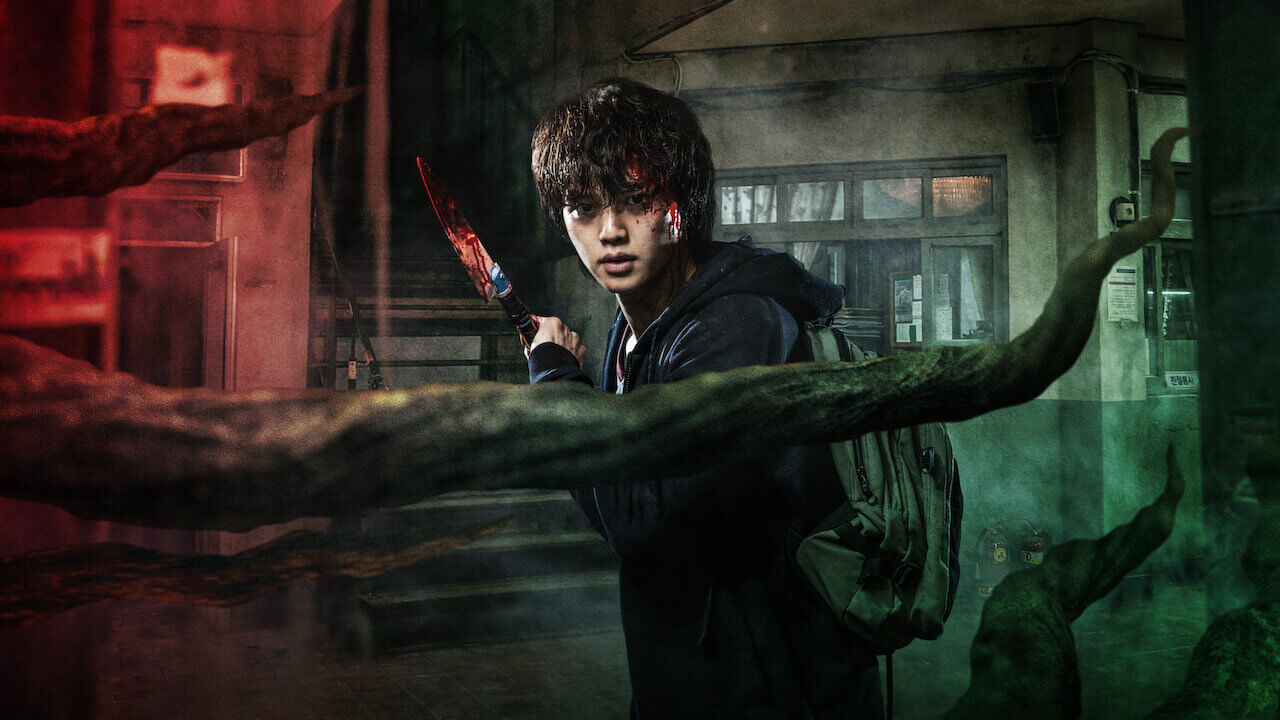
Apocalyptic fiction shares commonalities, themes, and familiar story beats no matter the world-ending cause. In genre film, zombies tend to be the most common root cause of civilization’s collapse, rendered even more conventional thanks to George A. Romero’s popular Living Dead franchise. Whether it’s extreme climate shifts or infectious undead, apocalyptic tales tend to turn a sharp eye inward and ruminate on humankind’s ability, or lack thereof, to cope amidst catastrophic devastation. Despite trailers suggesting a more adrenaline-pumping action-horror invasion, Netflix’s Sweet Home instead falls into the same patterns of traditional apocalypse tales that give precedence to human drama.
Based on a webtoon of the same name, Sweet Home follows the ensemble group of characters residing at the Green House apartment complex. At the forefront is Cha Hyun-soo (Song Kang), a depressed young man still reeling from losing his entire family. Shortly after moving in, he and other neighbors notice a few neighbors exhibiting extreme aggressive behavior that leads to self-harm in some cases and bloodlust in others. Worse, they’re turning into monsters. This anomaly isn’t exclusive to the building; the entire world plummets into a bizarre infection that transforms humans into grotesque monsters. Leaving the uninfected with nowhere to go, they band together inside the building to fend off monsters and survive.

At first, thanks to an action-heavy first few episodes and uniquely designed creatures, this series sets up a video game-style horror story full of monster mayhem. It soon settles into the traditional pattern of zombie apocalypse stories, though, particularly Dawn of the Dead. First, it establishes some of the warning symptoms of a budding monster transformation, intercut with the disparate group of characters that will eventually turn to infighting as supplies dwindle. Some are heroic at the outset, like firefighter Seo Yi-kyeong (Lee Si-young), and some are morally dubious, like presumed gangster Pyeon Sang-wook (Lee Jin-wook). There are supporting characters that don’t offer much beyond fodder and others that pop up to serve the narrative when needed. Sweet Home tries to give all of them equal attention in an increasingly convoluted fashion, complete with random flashbacks inserted at the clumsiest of moments.
The more the 10-episode season progresses, the more it loses interest in the monsters altogether. They still appear and present foils for whoever crosses paths with them, but the rules behind them constantly shift for convenience. Monsters can’t be killed, except when they can- the how and why shifts at whim. They’re a constant threat, except when they need to go away to give the drama room to breathe. When the final few episodes should be gearing up toward something action-heavy and grand, it introduces more evil humans to showcase this show’s real villain- humanity. The viewer will have to fill in many of the narrative blanks themselves, thanks to incredibly clunky scenes and choppy editing.
That there’s no real sense of world-building or geography makes it that much harder to follow along. In a later episode, characters escape through a monster-filled garage, and the scene ends with a crash. In the very next scene, those same characters inexplicably show up in the lobby to save another from near death. You just have to assume they clearly completed their mission and imagine how they evaded the hordes of unstoppable beasts. Sure, this setup requires suspension of disbelief, but Sweet Home often stretches it beyond plausibility straight into confusion.

The monsters do look cool in design, but those designs are marred by unflattering VFX. The series also front-loads the best designs for the first half of the season while relegating the more generic creatures to the sparsely loaded second half. The series gets repetitive when inserting monster encounters, too. When Imagine Dragon’s “Warriors” kicks in, expect everything to slow down to highlight the monster madness and the character’s heroics stepping up to face it. Rinse and repeat. The favored and on-the-nose song recurs many times over the season to amplify the poignancy of the monster encounters, but with diminishing returns.
There are so many unanswered questions left by the season’s end, along with a hook that sets up a potential follow-up, but it’s hard to care. The convoluted narrative structure changes what little rules it establishes for contrived storytelling’s sake. The cheap VFX can be off-putting, but the series does go heavy on the bloodshed. Sweet Home makes some of its deaths hurt, but not enough to fully invest in a series that loses steam the further it progresses. What sprints out of the gate and sets up an exciting creature-filled horror series quickly comes to a slow crawl zombie apocalypse that we’ve seen many times before. It just swaps out the zombies for monsters.
Sweet Home is available to stream on Netflix now.





Movies
‘Recluse’ Review – Harrowing Haunted House Horror With Lots Of Skeletons In Its Closet [Tribeca 2026]

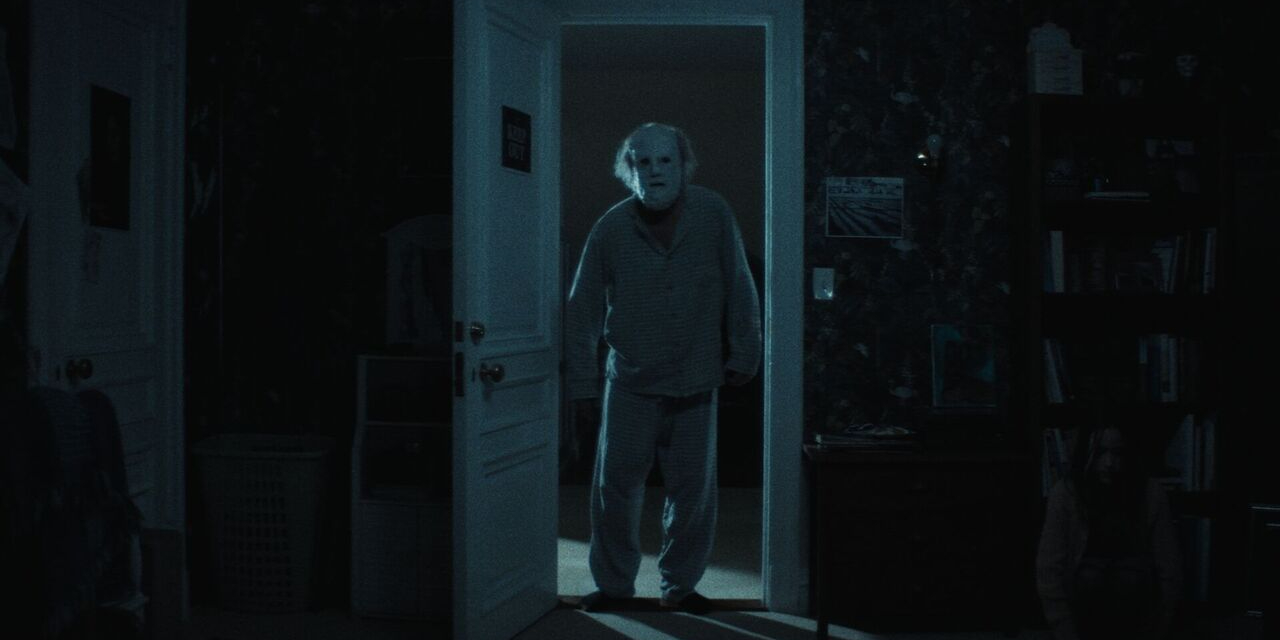
A haunted house story is tense, terrifying storytelling when it’s properly executed. There’s been a growing tendency in horror to blend together harrowing haunted house stories with traumatic homecomings. A family member’s illness or death triggers a return to something dark that was intentionally left behind. Recluse hits all the tropes that one expects to find in this type of horror film, yet it manages to push this story in a daring, disturbing new direction that uses sound as a superpower.
It’s a unique lens to experience a familiar story about family secrets, generational trauma, unresolved grief, and the importance of not just legacy, but preservation. It’s a hell of a directorial debut from Henry Chaisson that’s guaranteed to get under the audience’s skin as they’re dragged through this painful, toxic tale.
Recluse is a gothic haunted house story where an isolated audio engineer, Joan (Sasha Frolova), returns to her family’s estate to check in on her father after he suffers a terrible accident. Joan suddenly discovers something much more sinister that paints her family’s tragedies in a very different light. Chaisson’s debut functions as a fascinating companion piece to this year’s undertone, which does a lot of the same things.
These two films make for a fascinating case of parallel thinking that tackles comparable subject matter through a similar lens, albeit in a bigger, less claustrophobic story in Recluse’s case. In fact, it’s the perfect horror film for anyone who was let down by undertone and didn’t feel like it brought enough to the table. It’s a considerably more conventional horror film, but this isn’t meant to denigrate its high quality. Recluse may hit some familiar notes, but it’s a scary, well-crafted haunted house horror story that goes for the jugular.

A gripping mystery that involves the tragic, unresolved circumstances that surround Joan’s mother teases a chilling connection to the recent horrors that have afflicted her father. Joan desperately tries to put these pieces together and give her family some sense of grander peace before she’s pulled under and becomes another victim of this festering curse that’s systematically worked its way through the Wyatt family. By doing so, Recluse digs into some deeper commentary on collective trauma, a very literal look at the “sins of the father” adage, and how one selfish decision can ripple through generations and fracture off into different dilemmas. By the end, Recluse has brilliantly flipped the powerful concept of legacy on its head by illustrating the horrors and sense of entitlement that can be born out of this idea.
A legacy is just another name for a curse under the right context.
”Listen” is a simple but powerful command from Joan’s father that she briefly obsesses over. In a way, it becomes Recluse’s grander mission statement, whether it’s in response to Joan listening to the people in her life, the signals that her body and mind are telling her, or the world’s greater whims. It’s important to reconnect with these grounding pillars, especially when it feels like control is slipping away.
Recluse excels with how audio and soundscapes can create entire universes that are full of rich details that transport individuals to these environments. There’s also a level of objectivity when it comes to audio recordings and the evergreen permanence that they’re able to provide. Joan’s career as an audio engineer makes sense for someone who wants to cling to hard evidence and proof of existence. It provides great insight into Joan without ever getting lost in contrived exposition.
Joan’s entire life is built around audio engineering, and so it makes sense that Recluse features excellent sound design that really goes above and beyond with its production elements. All of the sound design is expertly handled and turns the film into something special. These auditory elements intuitively keep the audience on edge so that they’re more susceptible to the actual scares that eventually strike. The smallest sound effect gets turned into a crushing, cacophonous assault. It’s a really effective way to build terror. Writer/Director Chaisson also handles the film’s music, which achieves a sublime, unnerving dissonance that further heightens the free-floating anxiety.

The story at the center of Recluse is slightly generic in some respects, but the film’s visual language and tone make it feel distinctly memorable. It also doesn’t hurt that the home that Joan returns to is basically an eerie art studio that’s full of contorted paintings. Recluse never struggles to generate mounting dread and terror that pump through every scene. Powerful, thoughtful cinematography consistently reinforces the film’s themes. Joan is constantly reflected in different surfaces or viewed through mirrors. She’s also often confined to tight, constricting framing that all speaks to her refracted identity during this moment of loss and her attempts to regain agency and control by making sense of something that’s seemingly unexplainable.
Recluse is full of truly disturbing visuals that make it seem like Joan is lost in a dream that turns out to be an extended nightmare. It’s a surreal journey reminiscent of invasive psychological horror like Silent Hill, with a touch of Sinister and Hereditary thrown in for good measure. There are so many individual frames that could endlessly fuel urban legends and creepypastas.
It does a great job with how it presents Joan’s fragile state of mind, where chilling flashes of the past sneak up on her and unresolved trauma manifests into unsettling imagery. There are endless shots that are obscured in darkness, or shadow is creeping in from the corners of frames like a suffocating force of nature. It’s very rare that a scene is fully lit. It leads to a very lonely, isolating atmosphere that’s easy to get lost in.
Chaisson’s debut stands out from the many other high-minded haunted house horror films without succumbing to the same pretensions that often drag down these stories. It’s a grief-stricken character study that’s full of upsetting visuals that scratch at something visceral and raw. The horror elements connect, and the answers to its grander mystery provide an appropriate and believable sense of closure. Those who are looking for an atmospheric horror film that isn’t afraid to be different while still channeling something real will appreciate Recluse.
Recluse made its world premiere at Tribeca; release info TBD.

You must be logged in to post a comment.