Movies
Mondo Roars Back to 1993 With This Iconic New ‘Jurassic Park’ Poster

Those who grew up in the ’70s identify with Star Wars, while the ’80s kids remember growing up on Terminator 2 and Steven Spielberg’s groundbreaking Jurassic Park. Even today the CGI in Jurassic Park is superior to many films that hit theaters…
For those of you who collect or just want a new one sheet for your wall, Mondo, the collectible art boutique arm of Alamo Drafthouse Cinema, is pleased to announce their new licensed poster series for Jurassic Park. The first breathtaking poster features imagery from the iconic final shot of a triumphant Tyrannosaurus Rex from artist Aaron Horkey.
Jurassic Park
Artist: Aaron Horkey
Size: 21″ x 39″
Edition: 220
The poster & series was unveiled last evening at the Alamo Drafthouse South Lamar as a Mondo Mystery Movie, a popular programming series that keeps the film & poster a secret right up until the film rolls. Jurassic Park is the second Mondo Mystery Movie, which sold out in under a minute several weeks ago. The film was shown in a glorious 35mm print and was attended by legendary FX artist, Phil Tippett.
For a generation of moviegoers seeing Jurassic Park in theaters was a momentous event and one that engrained clear memories of seeing dinosaurs walk the Earth once again. “‘Jurassic Park‘ is one of Mondo’s biggest series yet. Along with Star Wars and Star Trek, we’ve seen an equal level of excitement amongst artists to take on this seminal film. We’re incredibly excited about Aaron Horkey’s poster and what’s to come,” said Mondo Creative Director Justin Ishmael.
The Jurassic Park poster series will continue with world-renowned artists rendering their vision of the classic film. A second print is scheduled to be available for online sale timed to the release of the Jurassic Park Ultimate Trilogy on Blu-ray on October 25, 2011.
The Jurassic Park Ultimate Trilogy arrives on Blu-ray for the first time ever with the groundbreaking films remastered in flawless high definition and hours of bonus features, including an all-new, six-part documentary called Return to Jurassic Park.


Hollywood tends to learn all of the wrong lessons when confronted with an indie success story that doesn’t follow the established rules of the industry. For instance, instead of accepting that the massive success of Backrooms has more to do with Kane Parsons’ individual talent as an established artist who has been producing high-quality videos since the pandemic (combined with the popularity of liminal horror among younger audiences), producers are now trudging through old Reddit posts looking for the next viral meme that studios think might have the potential to be turned into a cash cow.
This is by no means a new phenomenon, and I think one of the most pertinent examples of Hollywood misunderstanding what makes a movie work has to be the aftermath of The Blair Witch Project. While Daniel Myrick and Eduardo Sanchez’s genre-defining movie proved that POV camerawork and lo-fi aesthetics can captivate mainstream audiences when backed by a genuinely compelling story, there was a sudden trend of filmmakers attempting to appear hip by incorporating found footage into their films as if the occasional presence of diegetic recordings was enough to make a movie seem “hip”.
That’s why the 2000s were such a frustrating period for found footage fans, as the genre was still mostly relegated to obscure indie productions while studios only teased us with the format’s narrative potential. And yet, talented filmmakers can tell compelling stories under any circumstances, and this is how we get to the weird world of found footage bonus features produced alongside traditional movies.
Diegetic filmmaking may not necessarily be easier than conventional camerawork (it’s a lot harder to simulate reality without the added toolbox of cinematic editing), but it’s certainly a hell of a lot cheaper. That’s why it makes sense that plenty of high profile projects invested in found footage bonus content in order to add value to their home video releases – a once profitable industry that is sorely missed in the current media landscape.
The irony here is that many of these found footage extras were a little too good when compared to their promotional origins. With that in mind, I’d like to take a closer look at three examples of found footage bonus features that were better than the movie they were meant to enhance!
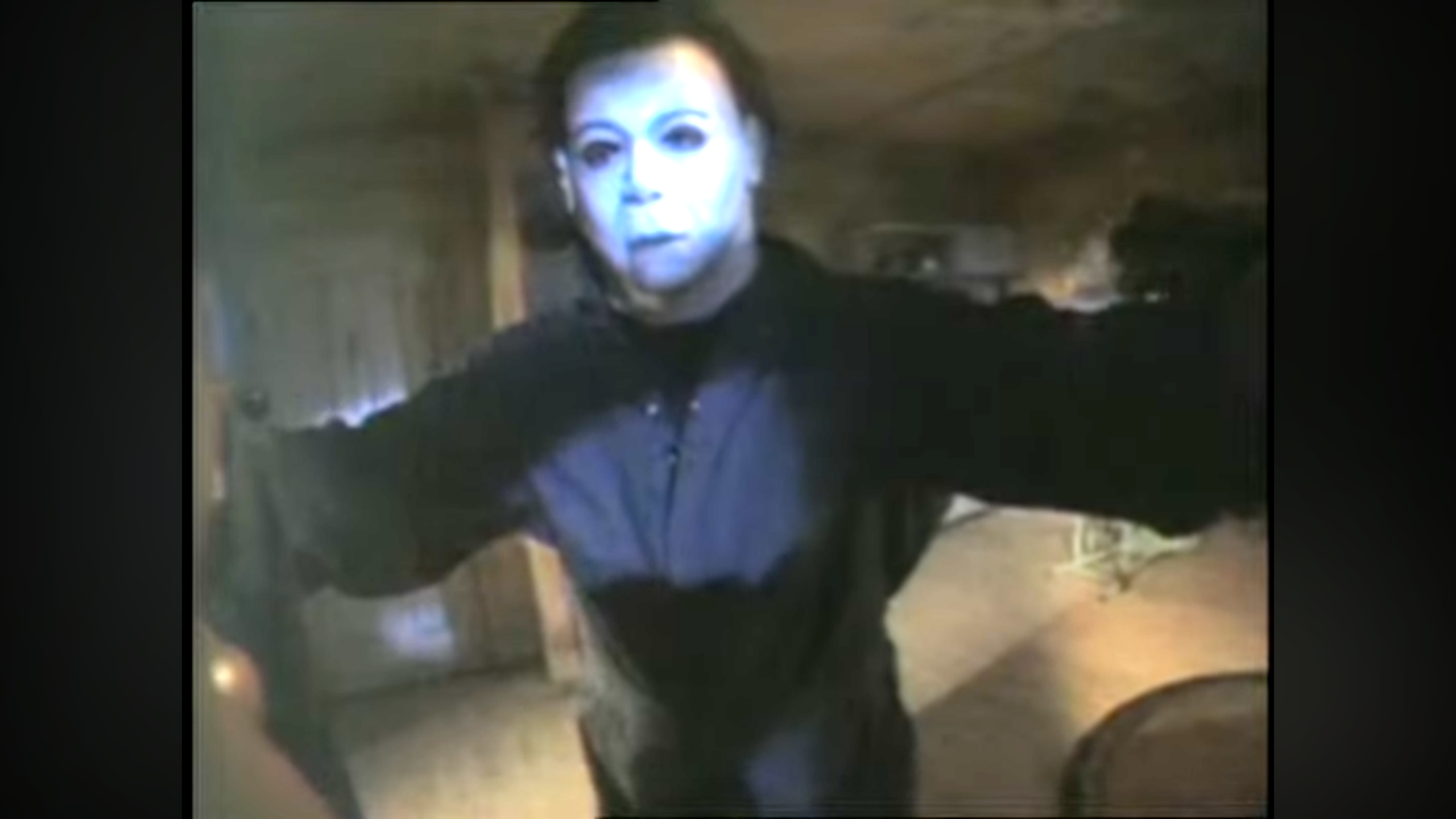
3. Halloween: Resurrection (2002): WebCam Special

I might lose some of my horror cred for admitting this, but Halloween: Resurrection was actually the first Halloween film I ever saw. Thankfully, this misguided entry didn’t scare me off from watching the other movies in the series, but even as a teenager I recognized that the flick’s premise of an online streaming show gone wrong had some merit to it – it’s just too bad that these ideas were never fully realized in the feature itself.
It was only years later that I discovered the fabled WebCam Special on Resurrection’s physical media release and got the film I had always wanted. This 41-minute cut of the film is by no means a masterpiece, but excluding everything except for the found footage elements of the production somehow transforms this ill-advised sequel into a deeply unsettling exercise in voyeuristic cinema.
In fact, I’d argue that the long takes of Michael simply moving through the house without calling attention to himself are much closer to John Carpenter’s original vision of the bogeyman than any of the exaggerated sequels that depict The Shape as something more akin to a superpowered Jason Voorhees. It’s just a shame that the franchise would never explore this format again.
2. Believers (2007): The Quanta Group Videos

Daniel Myrick’s Believers is by no means a bad movie, with this direct-to-video thriller following a duo of paramedics who find themselves captured by a deranged death cult inspired by all the worst aspects of Jonestown and Heaven’s Gate. Unfortunately, the Blair Witch alumni’s low-budget exploration of religious madness was quickly forgotten simply because most people didn’t bother to engage with the other half of the experience by exploring the DVD menu.
Within the disc’s extras, Myrick actually included in-universe interviews and orientation videos meant to expand the Quanta Group’s backstory and beliefs. These found footage recordings greatly enhance The Believers by providing much-needed context for some of the film’s scariest moments. There’s even a wonderfully creepy epilogue sequence here as another group explores the cult’s dilapidated compound after the events of the film.
While it’s baffling that this material didn’t make it into the movie itself through in-universe cutaways (especially IO’s darkly humorous interview), watching it alongside Myrick’s film turns the whole thing into a highly compelling multi-media experience.
1. Dawn of the Dead (2004): The Lost Tape & Special Report: Zombie Invasion

I’ve always considered 2004’s Dawn of the Dead remake to be Zack Snyder’s best film (though most of the flick’s qualities are the result of James Gunn’s excellent script) even if it fails to capture the social anxieties of Romero’s 1978 original. However, this apocalyptic production is also the perfect example of an expensive project being overshadowed by the low-budget bonus features on its own home video release.
You see, the Dawn of the Dead DVD actually boasts two separate found footage short films that I find much scarier than the movie they’re marketing. The Lost Tape: Andy’s Terrifying Last Days Revealed is a somber video diary written by Gunn and starring Bruce Bohne as the ill-fated Andy – a minor character in the main film who becomes trapped in his own gun store when the zombies attack. Then there’s my personal favorite, Special Report: Zombie Invasion, a fully simulated news program starring Babylon 5’s Richard Biggs (as well as Bruce Boxleitner) that chronicles the spread of the undead virus.
Not only do these bonus features add context to Snyder’s film, but I’d argue that they make for a better standalone viewing experience than the so-called “main attraction”. Special Report honestly feels like a charming low-budget adaptation of Max Brooks’ World War Z novel (despite coming out a couple of years before that book was published), and I adore how The Lost Tapes turns Andy into a genuinely tragic figure.
These obviously aren’t the only found footage extras worth revisiting (for instance, I adore that Skull Island mockumentary that accompanied the special edition of Peter Jackson’s King Kong remake), but I figured that the three aforementioned projects could provide us with a snapshot of a curious moment in popular culture where found footage could still impress viewers despite not being quite as respected by the studio system.
That being said, don’t forget to sound off in the comments below if you can think of any other found footage bonus features that deserve a shout-out! After all, I’d love to see this trend of diegetic extras make a comeback in modern times – especially where found footage-heavy movies like Backrooms are concerned.
You must be logged in to post a comment.