Movies
The Story of How King Kong Changed the Twinkie Game


And now for something a little different. Let’s talk Twinkies!
In case you hadn’t noticed, snack foods have gotten pretty weird in recent years. Brands like Hostess, Nabisco, and Kellogg’s have been working hard to out-do each other in the weird department, unleashing Twinkies, Oreos, and Pop-Tarts with increasingly bizarre flavors. Hell, I just finished a package of Peeps Oreos – and yes, they do alter the color of… certain things.
Unique snack items, of course, are nothing new. Back in ’05, Hostess gave King Kong his very own Twinkies in celebration of the release of Peter Jackson’s 8-hour film; naturally, they were banana flavored. At the time, banana Twinkies may have seemed like an oddity, but if you look back through the history of the spongy cakes, you’ll realize that couldn’t be further from the truth.
The history of the Twinkie is actually quite fascinating. As is Kong’s part in it.
The golden sponge cake with creamy filling was invented back in 1930 by James Alexander Dewar, a man inspired by the strawberry shortcake’s lack of year-round availability; when strawberries were out of season, you see, strawberry shortcake could not be made, so Dewar conceived a similar treat that could be enjoyed all year-round. This is how the Twinkie was born.
And the original Twinkie, believe it or not, was banana-flavored.
From 1930 through 1940, Twinkies were exclusively made with bananas, but that changed when World War 2 began. The war, started in 1939, led to bananas being rationed, thereby forcing the Twinkie to evolve. No longer able to be made with bananas, the company switched over to vanilla creme filling; the modern Twinkie proved popular enough that they never looked back.
So what is King Kong’s place in all of this?
Well, the 2005 release of banana-flavored Kong Twinkies was a huge success for Hostess, who saw a 20% spike in sales during the four-week promotion. They had previously brought back banana Twinkies for other limited time promotions, but none of them proved to be as successful as Kong’s; so successful that Banana Twinkies were soon thereafter brought back full time.
To this day, you can find banana Twinkies on the shelf of your local grocery store. They may not feature King Kong on the packaging, but they’re there, dear friends, because of Kong.
Bow before your king. The King of the Twinkies.





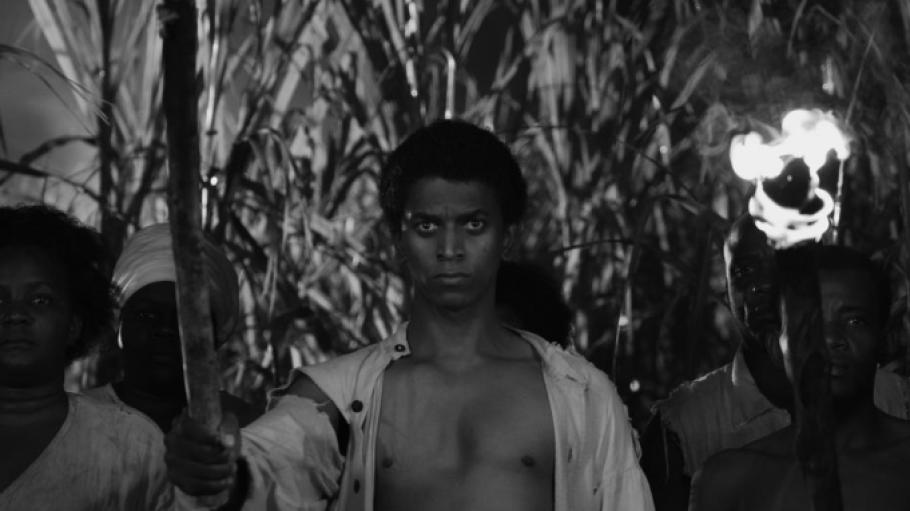
The buried origins of the cinema zombie will be explored in upcoming documentary Black Zombie, and Deadline reports that Kino Lorber has picked up the doc for U.S. release.
Kino Lorber will release Black Zombie in theaters later this year.
From writer and director Maya Annik Bedward, Black Zombie digs beneath the blood-soaked spectacle of modern horror to uncover the zombie’s buried and unsettling origins.
Long before it became associated with flesh-eating ghouls, the zombie was a living metaphor for slavery: not a monster, but the ultimate victim of colonial power.
Deadline further details, “Director Maya Annik Bedward traces the evolution of the zombie from colonial Haiti to contemporary Hollywood, reconsidering iconic films like White Zombie, Night of the Living Dead, and The Serpent and the Rainbow alongside archival footage, vérité scenes, and interviews with cultural historians, artists, and genre legends including Yves-Grégory Francois, Mambo Labelle Déesse, Slash, Tom Savini, and Zandashé Brown. Part cultural reckoning, part horror remix, Black Zombie exposes how a figure born from enslavement, spiritual belief, and resistance was transformed into one of pop culture’s most profitable monsters.”
“I’m thrilled to partner with Kino Lorber on the release of Black Zombie,” said Maya Annik Bedward. “The film explores the power of images to shape our understanding of history, culture, and race, making it especially meaningful to work with a distributor so deeply engaged with cinema’s past and present. Their passion for films that challenge, illuminate, and expand our understanding of the world makes them an ideal partner for bringing this story to audiences across the U.S.”
Kino Lorber’s Karoliina Dwyer adds, “The zombie is one of the most iconic images in cinema, and you’ll never look at them the same after watching Black Zombie. Maya Annik Bedward has crafted a fascinating, deeply researched documentary that unearths the long-buried Haitian origins of the genre, interrogating colonial, political, and Hollywood history to powerful and illuminating effect. We’re so proud to bring this documentary to U.S. audiences this fall.”
Executive producers for the documentary include music legend Slash.

‘I Walked With a Zombie’ (1943)
You must be logged in to post a comment.