News
Left 4 Dead, Survival Mode Info! UPDATE!!

UPDATE! Survival Mode will be released sometime around 2AM PST April 21st, SO LOOK OUT FOR IT!
Thanks to James for the heads up, L4D.com recently posted everything you need to know about the (coming next week!) new survival mode for Left 4 Dead. Read on for the blog post that has it all!
Survival Mode pits your team against never ending waves of infected. Sounds simple. Just trap the survivors in a small part of a map, unleash the hordes, and record the longest time. Survival Mode, which will be released next week, is actually a bit more than that.

Our goals for Survival Mode are to deliver a mode of play distinct from Campaign or Versus, have games that regularly last under ten minutes, and emphasize competition with team play through leaderboards. Survival Mode draws on the planning and communication aspects of a successful Finale or Crescendo event, while taking it to another level. It rapidly hits a fever pitch that only a well coordinated team will be able to successfully survive. Everything from simply covering a reviving teammate, to making every shot count to minimize reloads becomes crucial in Survival Mode.
Given the importance of pacing in Survival Mode, we need to define as precisely as possible how the difficulty ramps up during the course of a round. We have numerous variables to work with: mob spawn frequency, special infected spawn frequency, number of each type of special infected, total number of special infected, tank spawn frequency, total number of tanks, and so on. We need all of these variables to work together to create a fairly smooth difficulty curve.
If the curve ramps up too sharply, we find that teams of all skill levels tend to hit a wall at the same time. There isn’t enough variation in the times to separate great teams from average ones. If the curve is too flat, then average teams will have a good experience, but really good teams can grind on long enough to cross the line from having fun to just getting worn out.
It might seem that just gradually increasing spawn rates and numbers of infected will create a nice smooth curve, but it turns out to be much trickier than that. Each type of infected has its own spawn schedule, so even though the individual spawn curves may be designed to be fairly easy at a particular point in time, sometimes they overlap in just such a way that the players find themselves in a really bad situation far earlier than we intend.
For example, a tank will be much harder to fight if a mob of common infected spawns at the same time – and nearly impossible if three hunters also show up right at that moment. A similar situation can happen due to variables outside our control – a team may not dispatch a tank or mob quickly enough, causing subsequent waves to start arriving and piling on to an already difficult battle. It’s also hard to anticipate when teams will need to make an ammo run or heal up, both of which can be extremely difficult only a few minutes into the round. In order to help visualize these overlap points and the collapse of each spawn curve, we graphed out the wave behavior of infected over the course of a survival round.

The last variable we added was the “lull” – a short interval of time during which nothing new will spawn. Each lull gets slightly longer as the round progresses, but that’s no guarantee the team will actually see the lull – it just prevents new infected from spawning. It doesn’t help with infected that are already in the arena. Killing mobs and tanks as quickly as possible is the best way to ensure that a team can take advantage of a lull to heal, resupply ammo, or just move to a better location with more supplies.
Given the extreme pace of Survival Mode, the number of zombies killed in a single round often outnumbers an entire campaign. Even optimizing towards using pistols to eliminate common hordes, ammunition usually becomes an issue at some point. As ammo piles provide a unique infinite resupply for players, they tend to be in relatively less defensible positions in the Survival arenas. This means making an all important ammo run is rarely a safe proposition and requires good teamwork and planning. Timing your resources correctly to be able to make a run when necessary can make or break a team. The perfect pipebomb or well placed molotov can mean the difference between a cakewalk and catastrophe.
The Hospital Elevator, for example, might seem like an easy Crescendo Event to conquer. Hit the elevator button and holdout until the doors open for a quick escape. In Survival Mode, however, the area begins locked down. Areas open as the hordes come in, breaking down the doors to reach the survivors. In each room there are additional caches of vital pills, pipes, and Molotovs. By moving from location to location, using up the plentiful supplies as needed, a team can maximize their time in a game where the elevator never arrives to offer escape. In other maps, items may be less plentiful and require careful planning on their usage. Managing one’s inventory and resources works hand-in-hand with teamwork in Survival Mode.
Next week you will be able to see our design in action when the DLC is released for the PC and 360.
Written by Kate Hayden



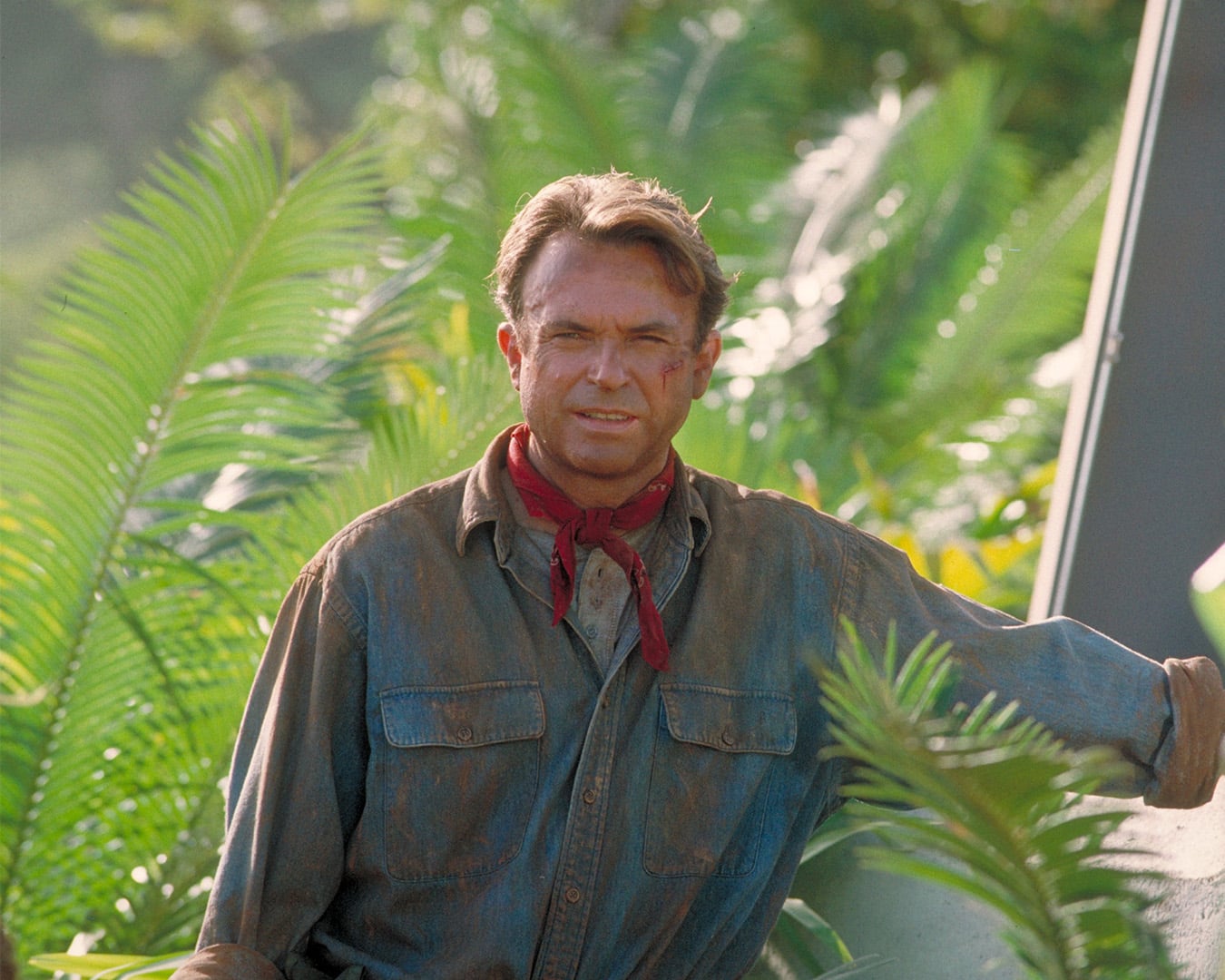
Sam Neill, the New Zealand actor best known for his role in 1993’s Jurassic Park, has passed away this week at 78 years old. In a statement shared on Neill’s Instagram page this morning, the actor’s family said that his passing was “sudden and unexpected.”
Neill had been diagnosed with a rare blood cancer in 2022, but stated the following year that he was in remission. The family notes that he “remained cancer free” at the time of his passing.
The family statement reads, “It is with immense sadness that the whānau of Sam Neill share the news of his passing on Monday 13th July, in Sydney Australia. Sam was surrounded by family and passed with the dignity that has characterised his whole life. The loss was sudden and unexpected but blessed by the fact that Sam remained cancer free.
“They would like to express their deepest gratitude to the staff at St Vincent’s Private Hospital for their incredible care. More details will be shared later, but for now, on behalf of the family, we ask that you respect their privacy as they navigate this immeasurable loss.”
In addition to his iconic role as Dr. Alan Grant in the original Jurassic Park and the sequels Jurassic Park III and Jurassic World: Dominion, Sam Neill left an indelible mark on the horror genre with memorable roles in Andrzej Żuławski’s Possession, The Omen: The Final Conflict, John Carpenter’s In the Mouth of Madness, and sci-fi horror favorite Event Horizon.
Sam Neill’s vast resume in film and television began in the early 1970s and also includes the films Sleeping Dogs, Enigma, The Good Wife, A Cry in the Dark, Dead Calm, The Hunt for Red October, Memoirs of an Invisible Man, Hostage, The Jungle Book, Snow White: A Tale of Terror, The Horse Whisperer, Bicentennial Man, Daybreakers, Escape Plan, and Thor: Ragnarok.
Sam Neill is survived by his four children and eight grandchildren.
Steven Spielberg said in a statement to Variety, “I owe a debt of gratitude to Roger Donaldson, Gilliam Armstrong, Graham Baker and Phillip Noyce for casting Sam Neill in the roles in which he was so brilliant that brought him to my attention and led to his playing Dr. Alan Grant in Jurassic Park. Sam was exceptionally collaborative. It was a stretch for him to play a character who acted as though children were messy and smelly because this was the opposite of the loving father he was to his children. I adored making all the Jurassic movies with him.”
Spielberg adds, “Along with Laura Dern and Jeff Goldblum, we will always have our Jurassic family and Sam will never be forgotten by us or his many millions of fans around the world.”

Sam Neill in ‘Event Horizon’
You must be logged in to post a comment.