Movies
‘Alien Anthology’ Blu-ray Box Set Officially Announced!!!

Sometimes, the scariest things come from within. Twentieth Century Fox Home Entertainment presents one of the most successful and terrifying film franchises of all time when the ALIEN ANTHOLOGY debuts on Blu-ray for the first time ever from October 25 internationally and on October 26 in North America. All four ALIEN films have been reinvigorated for an intense Blu-ray high-definition viewing experience. The release also marks the debut of MU-TH-UR Mode, a fully interactive companion that takes the extensive materials in the ALIEN ANTHOLOGY and puts them in the user’s hand — connecting fans to special features on all six discs and instantly providing an index of all available ALIEN content, including over 60 hours of special features and over 12,000 images. I think I’m going to need a 24 pack of Mountain Dew, 100 tacos and 40 bags of Doritos. I’m going to vanish for days. Check out the full specs below… Note: Fans Have A Chance To Board The Nostromo During Comic-Con At Booth #3528 And Enter The Hibernation Chamber Of The Doomed Intergalactic Crew.
The ALIEN ANTHOLOGY is a truly unique home entertainment experience. For the first time ever, the studio has united the material from every home video release of the ALIEN saga including the 1991/1992 laserdisc releases, the 1999 “Legacy” release and 2003’s groundbreaking ALIEN QUADRILOGY release into one complete Blu-ray collection. The set also includes two versions of each film and over four hours of previously unreleased exclusive material such as original screentests of Sigourney Weaver prior to filming the original ALIEN, unseen deleted scenes, thousands of still photographs from the Fox archives, the previously unseen original cut of “Wreckage and Rage: The Making of ALIEN(3),” and much, much more.
The ALIEN ANTHOLOGY will be available for a suggested retail price of $139.99 U.S. / $179.99 Canada.
The ALIEN ANTHOLOGY is just one aspect of Twentieth Century Fox Home Entertainment’s yearlong campaign to honor the studio’s 75th birthday. This year the division will debut several select fan-favorites on Blu-ray for the first time ever including The Rocky Horror Picture Show, William Shakespeare’s Romeo + Juliet, Moulin Rouge!, The Last of the Mohicans(1) and The Sound of Music.
Disc One: Alien
- 1979 Theatrical Version
- 2003 Director’s Cut with Ridley Scott Introduction
- Audio commentaries:
- Director Ridley Scott, writer Dan O’Bannon, executive producer Ronald Shusett, editor Terry Rawlings, and actors Sigourney Weaver, Tom Skerritt, Veronica Cartwright, Harry Dean Stanton and John Hurt
- Ridley Scott (on theatrical cut only)
- Final theatrical isolated score by Jerry Goldsmith
- Composer’s original isolated score by Jerry Goldsmith
- Deleted and extended scenes
- MU-TH-UR Mode interactive experience with Weyland-Yutani Datastream
Disc Two: Aliens
- 1986 Theatrical Version
- 1991 Special Edition with James Cameron introduction
- Audio commentary by director James Cameron, producer Gale Anne Hurd, alien effects creator Stan Winston, visual effects supervisors Robert Skotak and Dennis Skotak, miniature effects supervisor Pat McClung, and actors Michael Biehn, Bill Paxton, Lance Henriksen, Jenette Goldstein, Carrie Henn and Christopher Henn
- Final theatrical isolated score by James Horner
- Composer’s original isolated score by James Horner
- Deleted and extended scenes
- MU-TH-UR Mode interactive experience with Weyland-Yutani Datastream
Disc Three: Alien3
- 1992 Theatrical Version
- 2003 Special Edition (Restored Workprint Version)
- Audio commentary by cinematographer Alex Thomson, B.S.C., editor Terry Rawlings, alien effects designers Alec Gillis and Tom Woodruff, Jr., visual effects producer Richard Edlund, A.S.C., and actors Paul McGann and Lance Henriksen
- Final theatrical isolated score by Elliot Goldenthal
- Deleted and extended scenes
- MU-TH-UR Mode interactive experience with Weyland-Yutani Datastream
Disc Four: Alien Resurrection
- 1997 Theatrical Version
- 2003 Special Edition with Jean-Pierre Jeunet introduction
- Audio commentary by director Jean-Pierre Jeunet, editor Herve Schneid, A.C.E., alien effects creators Alec Gillis and Tom Woodruff, Jr., visual effects supervisor Pitof, conceptual artist Sylvain Despretz, and actors Ron Perlman, Dominique Pinon and Leland Orser
- Final theatrical isolated score by John Frizzell
- Deleted and extended scenes
- MU-TH-UR Mode Interactive Experience with Weyland-Yutani Datastream
Disc Five: Making the Anthology
- The Beast Within: Making Alien
- Star Beast: Developing the Story
- The Visualists: Direction and Design
- Truckers in Space: Casting
- Fear of the Unknown: Shepperton Studios, 1978
- The Darkest Reaches: Nostromo and Alien Planet
- The Eighth Passenger: Creature Design
- Future Tense: Editing and Music
- Outward Bound: Visual Effects
- A Nightmare Fulfilled: Reaction to the Film
- Enhancement Pods
- Superior Firepower: Making Aliens
- 57 Years Later: Continuing the Story
- Building Better Worlds: From Concept to Construction
- Preparing for Battle: Casting and Characterization
- This Time It’s War: Pinewood Studios, 1985
- The Risk Always Lives: Weapons and Action
- Bug Hunt: Creature Design
- Beauty and the Bitch: Power Loader vs. Queen Alien
- Two Orphans: Sigourney Weaver and Carrie Henn
- The Final Countdown: Music, Editing and Sound
- The Power of Real Tech: Visual Effects
- Aliens Unleashed: Reaction to the Film
- Enhancement Pods
- Wreckage and Rage: Making Alien3
- Development Hell: Concluding the Story
- Tales of the Wooden Planet: Vincent Ward’s Vision
- Stasis Interrupted: David Fincher’s Vision
- Xeno-Erotic: H.R. Giger’s Redesign
- The Color of Blood: Pinewood Studios, 1991
- Adaptive Organism: Creature Design
- The Downward Spiral: Creative Differences
- Where the Sun Burns Cold: Fox Studios, L.A. 1992
- Optical Fury: Visual Effects
- Requiem for a Scream: Music, Editing and Sound
- Post-Mortem: Reaction to the Film
- Enhancement Pods
- One Step Beyond: Making Alien Resurrection
- From the Ashes: Reviving the Story
- French Twist: Direction and Design
- Under the Skin: Casting and Characterization
- Death from Below: Fox Studios, Los Angeles, 1996
- In the Zone: The Basketball Scene
- Unnatural Mutation: Creature Design
- Genetic Composition: Music
- Virtual Aliens: Computer Generated Imagery
- A Matter of Scale: Miniature Photography
- Critical Juncture: Reaction to the Film
- Enhancement Pods
- MU-TH-UR Mode Interactive Experience to Access and Control Enhancement Pods
Disc Six: The Anthology Archives
- Alien
- Pre-Production
- First Draft Screenplay by Dan O’Bannon
- Ridleygrams: Original Thumbnails and Notes
- Storyboard Archive
- The Art of Alien: Conceptual Art Portfolio
- Sigourney Weaver Screen Tests with Select Director Commentary
- Cast Portrait Gallery
- Production
- The Chestbuster: Multi-Angle Sequence with Commentary
- Video Graphics Gallery
- Production Image Galleries
- Continuity Polaroids
- The Sets of Alien
- H.R. Giger’s Workshop Gallery
- Post-Production and Aftermath
- Additional Deleted Scenes
- Image & Poster Galleries
- Experience in Terror
- Special Collector’s Edition LaserDisc Archive
- The Alien Legacy
- American Cinematheque: Ridley Scott Q&A
- Trailers & TV Spots
- Pre-Production
- Aliens
- Pre-Production
- Original Treatment by James Cameron
- Pre-Visualizations: Multi-Angle Videomatics with Commentary
- Storyboard Archive
- The Art of Aliens: Image Galleries
- Cast Portrait Gallery
- Production
- Production Image Galleries
- Continuity Polaroids
- Weapons and Vehicles
- Stan Winston’s Workshop
- Colonial Marine Helmet Cameras
- Video Graphics Gallery
- Weyland-Yutani Inquest: Nostromo Dossiers
- Post-Production and Aftermath
- Deleted Scene: Burke Cocooned
- Deleted Scene Montage
- Image Galleries
- Special Collector’s Edition LaserDisc Archive
- Main Title Exploration
- Aliens: Ride at the Speed of Fright
- Trailers & TV Spots
- Pre-Production
- Alien3
- Pre-Production
- Storyboard Archive
- The Art of Arceon
- The Art of Fiorina
- Production
- Furnace Construction: Time-Lapse Sequence
- EEV Bioscan: Multi-Angle Vignette with Commentary
- Production Image Galleries
- A.D.I.’s Workshop
- Post-Production and Aftermath
- Visual Effects Gallery
- Special Shoot: Promotional Photo Archive
- Alien3 Advance Featurette
- The Making of Alien3 Promotional Featurette
- Trailers & TV Spots
- Pre-Production
- Alien Resurrection
- Pre-Production
- First Draft Screenplay by Joss Whedon
- Test Footage: A.D.I. Creature Shop with Commentary
- Test Footage: Costumes, Hair and Makeup
- Pre-Visualizations: Multi-Angle Rehearsals
- Storyboard Archive
- The Marc Caro Portfolio: Character Designs
- The Art of Resurrection: Image Galleries
- Production
- Production Image Galleries
- A.D.I.’s Workshop
- Post-Production and Aftermath
- Visual Effects Gallery
- Special Shoot: Promotional Photo Archive
- HBO First Look: The Making of Alien Resurrection
- Alien Resurrection Promotional Featurette
- Trailers & TV Spots
- Pre-Production
- Anthology
- Two Versions of Alien Evolution
- The Alien Saga
- Patches and Logos Gallery
- Aliens 3D Attraction Scripts and Gallery
- Aliens in the Basement: The Bob Burns Collection
- Parodies
- Dark Horse Cover Gallery
- Patches and Logos Gallery
- MU-TH-UR Mode Interactive Experience



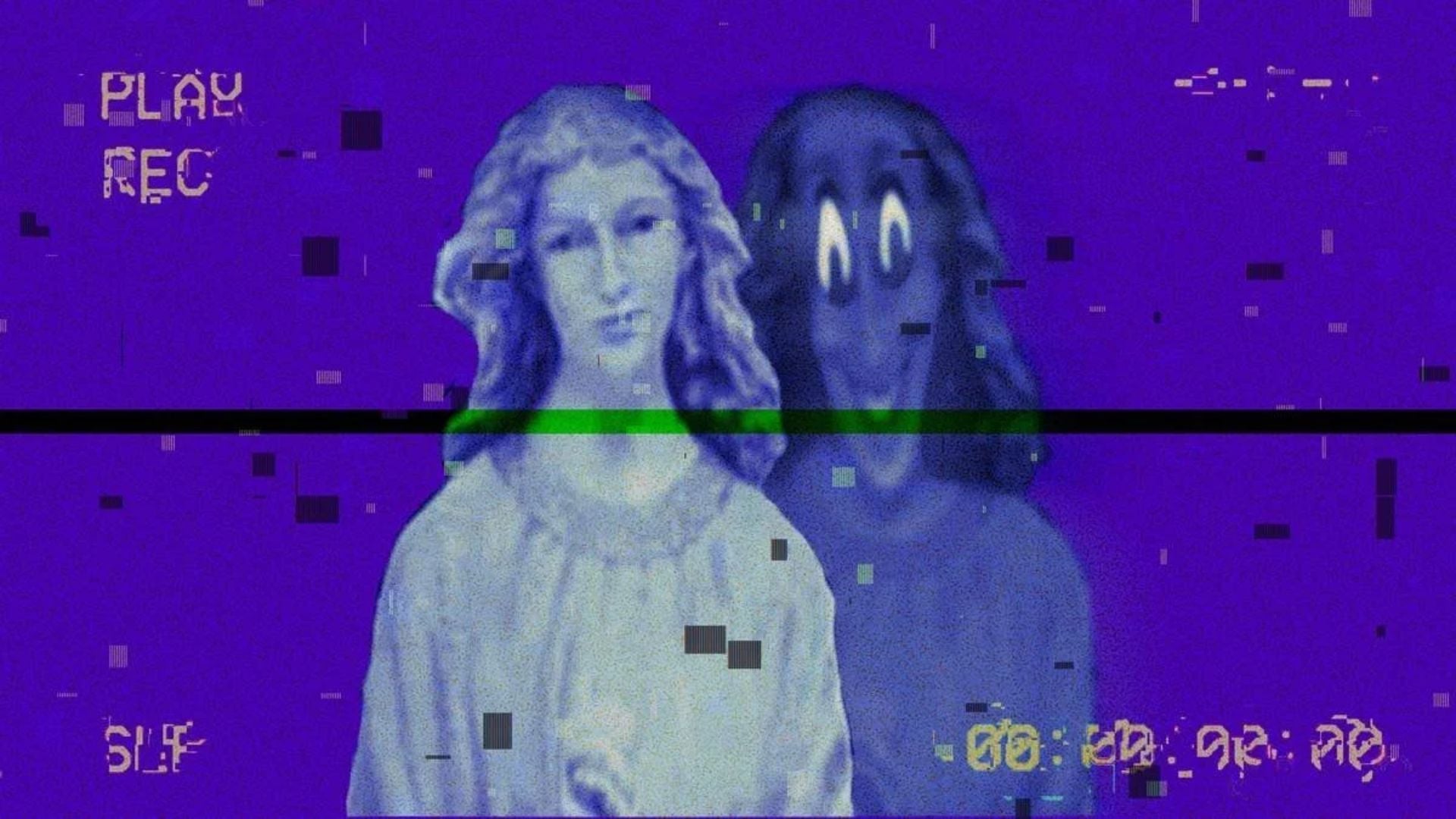
I first heard about The Mandela Catalogue through a couple of nephews who were obsessed with the ARG’s sinister mythology. It was only after watching Wendigoon’s in-depth analysis of the series that I realized just how deep this rabbit hole goes.
In fact, I’d already been exposed to the nightmarish visuals of Alex Kister’s YouTube creation for years at that point without even realizing that it was the origin of several viral “cursed images” and spooky memes that had leaked into the wider internet – with this viral element actually being a part of the Catalogue’s overarching narrative.
Flash-forward to 2026 and the unprecedented success of Kane Parsons’ Backrooms has led to Hollywood betting on horrific internet properties with existing fanbases, which means that Kister’s unique hybrid of both religious and analog horror is finally headed to the big screen with a script written by Kister himself alongside Tyler Clifton.
While this news shouldn’t be too surprising if you’ve been keeping up with the ongoing success of The Mandela Catalogue (both myself and Wendigoon having previously predicted that the series would inevitably make the jump to theaters one day), plenty of horror fans are likely confused as to why so many folks are excited for what appears to be a Hollywood adaptation of a series of creepy .jpeg images under a VHS filter.
With that in mind, today I’d like to invite fellow readers to accompany me as I explore the origins of Alex Kister’s viral hit and attempt to explain exactly why we should all be excited about the Mandela Catalogue adaptation!
From High School Writing Project to Internet Horror Phenomenon

The first seeds of The Mandela Catalogue were sown when Kister was still in high school and developed a writing project subverting religious tropes in a world where biblical history had been altered by demonic forces. A little while later, Kister came across an analog horror contest on Reddit and decided to adapt his ideas into a standalone video where he would edit a religious kids’ cartoon –The Beginner’s Bible: The Nativity, to be specific- into something far creepier. This is how the iconic Overthrone video was born, with this viral short film taking on a life of its own as fans demanded more eerie content from Kister.
Though the video was originally meant to be a one-and-done sort of affair, with Kister actually regretting some of its primitive visuals and considering the editing amateurish and “YouTube-Poop-like” when compared to his current standards, fan reaction and free time during the COVID-19 pandemic encouraged the (then) seventeen-year-old filmmaker to continue producing content set in this same world. The Mandela Catalogue name was inspired by the Mandela Effect conspiracy theory, as the series would slowly begin to explore the subtle horror of alternate histories.
Inspired by existential dread brought on by extended periods of quarantine as well as a personal crisis of faith, Kister continued to expand his alternate timeline where the rise of Christianity had been prevented by what was presumably the Devil disguised as the Archangel Gabriel. This alternate course of fictional events led to the existence of certain paranormal anomalies that had come to be accepted as “normal” by the 1990s, which is why most of the series’ supernatural horror is presented in such a matter-of-fact manner.
Most of this background information and religious lore is delivered by increasingly cryptic broadcasts and in-universe PSAs, as well as the occasional found footage video, that often have to be decoded by clever viewers. Of course, it’s the consistently disturbing imagery that made the series so popular – much of which was originally created by Kister on a smartphone!
The Alternates: Horror’s Most Unsettling Modern Monsters

The show’s early episodes mostly take place within the fictional Mandela County in Wisconsin and depict life in a world where demonic entities are capable of using media to enter our reality. This process usually involves scaring victims into killing themselves and then repurposing their bodies as horrific doppelgangers referred to as “Alternates”. This terrifying phenomenon has become so common that local police already have specialized procedures in place to deal with the issue, though this usually consists of simply ignoring calls for help so as to avoid spreading so-called “Metaphysical Awareness Disorder” any further.
Over time, Kister would expand this mythology and incorporate different kinds of Alternates into the mix, though the story never stopped deconstructing religious concepts. The series’ second volume exponentially increased both video quality and the overall narrative scope as we began to follow the lives of characters who had already grown up in this dystopian hellscape where the government is forced to prohibit religion, television, and even mirrors in the hopes of mitigating the damage done by the ongoing invasion of otherworldly entities.
The really interesting part comes into play when you realize exactly how the Alternates make use of scary media in order to spread their demonic influence, with the analog horror of it all being a diegetic part of the story and something of a memetic trap orchestrated by the false Gabriel.
I particularly appreciate how some characters begin to suspect that there’s something wrong with their version of reality and that things weren’t meant to play out this way, especially when Mark utters the haunting line “who have I been praying to all this time?” That’s why I think The Mandela Catalogue is an effective piece of religious horror even if you don’t subscribe to the Christian worldview, as the mere idea of a world where evil has already won is a universally terrifying concept in and of itself. Not only that, but the series’ uncanny analog imagery alone is already worth the price of admission, as you’ve likely already noticed by looking at the pictures accompanying this article.
Why The Feature Adaptation Could Be Horror’s Next Big Success

It’s actually been a whole year since Kister first announced that he had been working on a feature-length screenplay for a Mandela Catalogue movie since 2022, with his proposed story following an ensemble of high-school graduates who uncover a supernatural conspiracy after the mysterious disappearance of a fellow student. This premise sounds similar to narrative elements present in the series’ second volume, but I’m pretty sure that Kister is going to go the Kane Parsons route and make the movie more of a spin-off than a re-imagining of its source material.
While notable Hollywood producers like Aaron B. Koontz, Scott Stuber, and Steven Spielberg himself are backing the upcoming project, I feel like there’s no one better to adapt this deeply personal exploration of faith and the dark side of communication than the person who first came up with it. That’s why I can’t wait to see Kister’s work on the big screen, as I have a feeling that this young filmmaker is the next one on the list about to make cinematic history – especially since this is clearly a passion project that has been in the works for years at this point!
That being said, there’s always a chance that the film could end up unleashing a fresh wave of Alternate incursions, but I guess that’s just a risk we’ll have to take.
You must be logged in to post a comment.