Movies
Giallo (Yellow) (V)
“Even though Mother of Tears was terribly disappointing, at least it had the bat-shit insanity of his earlier works and reminded you of better films that he’s done. Giallo is so by-the-numbers, it’s depressing.”

It’s been more than 20 years since Argento made Opera, his last worthwhile film and as hard as he’s been trying to recapture the magic of his earlier works, it’s proven to be a fruitless effort thus far. Working in the same genre(s) since the early 70s, it’s become obvious in recent years that while he might love horror, he’s become burnt out with little to no new ideas in his output. Giallo further supports my sentiments, as it proves that he’s lost basic directorial sensibilities, like getting good performances out of actors (something he was never really good at, mind you, but you figure after directing for 40 years, he’d get the hang of it somewhat), how to match a piece of music to a scene, or keeping the audience engaged in the story. And even keeping that in mind, it’s not that the flick is downright awful as much as it’s just… well, boring.
An unnamed killer has been keeping the city of Turin in a state of panic by kidnapping foreign beauties, disfiguring them, and leaving them for dead. After Celine, an American model doesn’t come home one night, her sister Linda (Emmanuelle Seigner) contacts the local police department. She’s handed off to Inspector Enzo Avolfi (Adrien Brody); a New York Italian who is heading what seems to be a one-man task force to find the elusive killer.
The middle act of the film basically revolves around Enzo shoving a file folder full of autopsy photos into people’s faces and yelling “HELP ME!” until he gets a lead. The killer, who is later given the name of Yellow, is found to have jaundice, a condition that turns his skin yellow – or giallo, which is yellow in Italian and also the genre the film is trying to imitate. A double entendre was apparently necessary, because Jim Agnew and Sean Keller’s lackluster script is grasping at straws to seem clever. As for the climax of the film, it’s probably the most unimaginative note Argento possibly could’ve left the film on. Long gone are the days of grotesque beauty playing out seconds before the credits role.
Moments that attempt to propel the film forward make little to no sense. If you were trapped in a dungeon-like lair, why would you taunt your captor by calling him ugly when he’s got the means of your death wagging in your face? It’s to get the killer’s back story told through flash backs, of course. Why does the idea of jaundice magically spring into the mind of Enzo’s accomplice at the right moment? Simple: it’s so they can pump his contact for information on the ONLY hospital in the area that treats those symptoms. And, of course, at the exact moment they show up, Yellow is fleeing the scene, giving way to an unsuccessful chase. And, because Enzo is so skilled in file folder debating, he’s given the patient’s name and address instantaneously.
After Vincent Gallo and Asia Argento dropped out of the project, Oscar winner Brody came on as the lead and executive producer, most likely in an attempt to give the production some clout. And truth be told, he is the standout in the film, even if that isn’t saying much for the rest of the cast. But when you’re relegated to throwing around photos, using your own accent, and smoking in an effort to seem like an embittered cop, it’s only the hard-boiled tough-guy dialogue that would hold anyone back. Interestingly enough, Brody also plays the part of Yellow under the pseudonym Byron Deidra, an anagrammatical play on his name. The casting is a bit gimmicky to be sure, and with the terrible rubber prosthetics and ridiculous wig, the performance is overly campy, even by Argento standards.
But perhaps the most perplexing aspect of the movie is that in its 92 minute runtime, only two people die. For an Argento film, that seems more than a little off. But then how do they demonstrate the insidious reign of terror Yellow is holding over the town? You remember that file folder I keep referring to? It’s not stories or death scenes (there are but two torturesque scenes in the entire flick) that are suppose to convince us of Yellow’s past, it’s production stills. How lazy can you get?
With the most inspired bit in the entire film being the cinematography during a flash back sequence, it’s no wonder Argento seems to be distancing himself from the project post-release. Even though Mother of Tears was terribly disappointing, at least it had the bat-shit insanity of his earlier works and reminded you of better films that he’s done. Giallo is so by-the-numbers, it’s depressing.


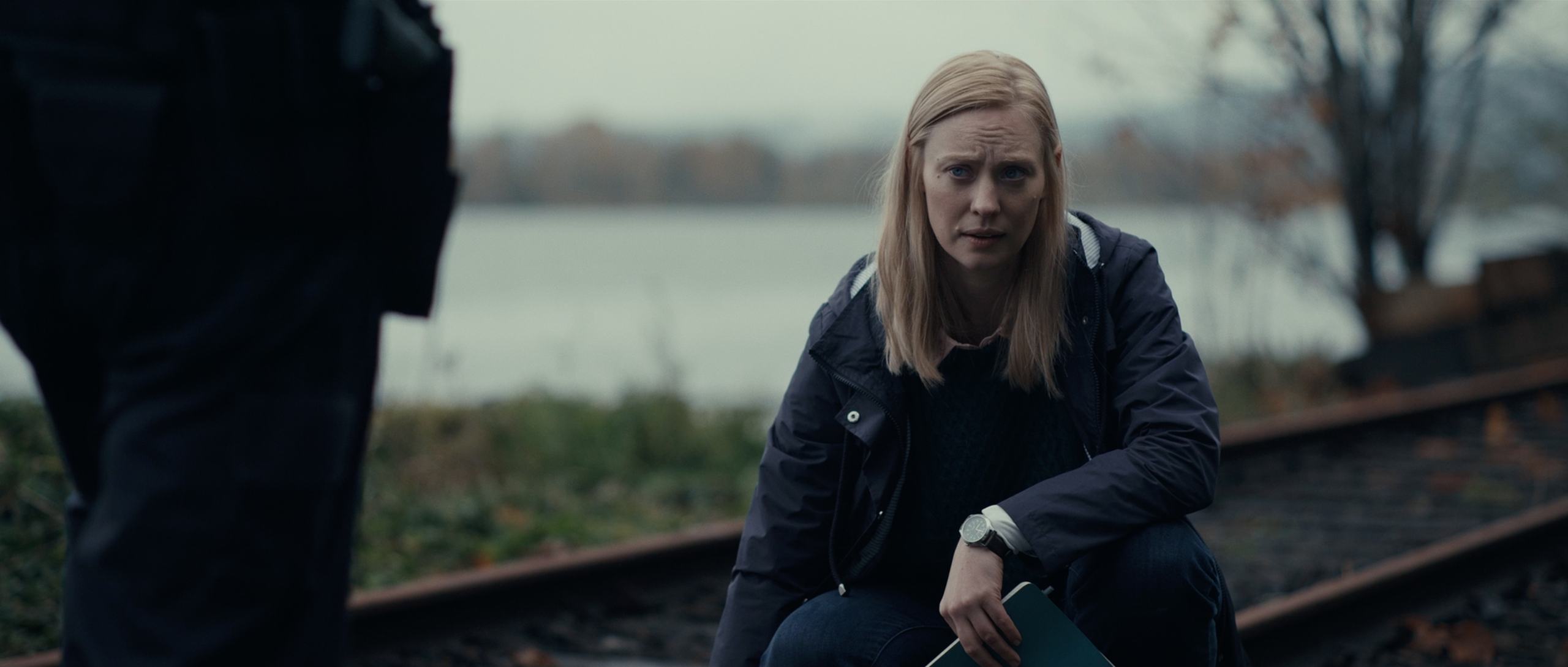
A crime scene leads to horror in The Cycle, the latest from director Jordan Downey ( The Head Hunter, V/H/S/Beyond), and our exclusive first look introduces lead Deborah Ann Woll (“Daredevil: Born Again“, Escape Room) as she investigates the darkly personal case.
The Cycle will debut exclusively on Shudder on October 23, 2026.
The logline reads, “When the body of a man missing for thirty-six years is discovered at the scene of a horrific crime, it’s up to his estranged daughter to unravel his dark past.“
Also starring in The Cycle is Jeffrey Donovan (“Burn Notice“, Villains).
Jordan Downey wrote the screenplay with Kevin Stewart (The Head Hunter).
“We are so excited about The Cycle; Jordan has crafted such an original story that is gonna excite audiences. For us he has the ability to be the next great genre filmmaker and we can’t wait to make the movie,” said James Harris of production company Tea Shop (Obsession, 47 Meters Down). Peter Heller also produces.
Deborah Ann Woll rose to fame as the feisty vampire Jessica Hamby in HBO’s “True Blood” before becoming a fan favorite as Karen Page in Marvel’s “Daredevil” series. While horror fans recognize her from Escape Room and its sequel, Escape Room: Tournament of Champions, the versatile actress has captured gamers’ attention as Laufey, Kratos’ wife in God of War: Ragnarök. She’ll receive her solo spinoff game in the upcoming God of War: Laufey.
As for Jordan Downey, The Cycle will mark his long-awaited feature follow-up to the underseen gem, The Head Hunter, but the rising filmmaker also has sci-fi thriller Override on the way.
Stay tuned for more.