Longform
A Brief History of the Forgotten ‘Silent Hill’ Spin-Offs

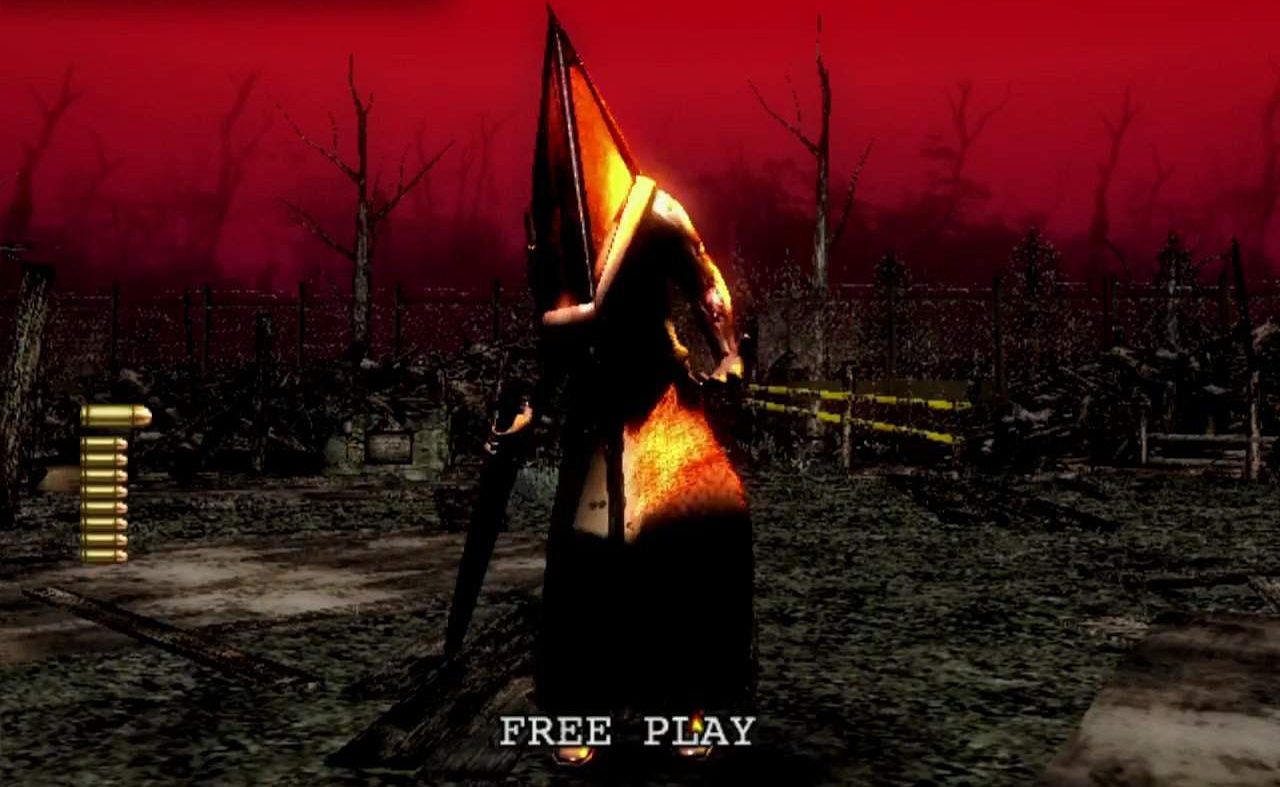
Konami may get a bad rap for having squandered the Silent Hill franchise in the years leading up to the recent series renaissance (which is set to culminate in both a big budget remake of Silent Hill 2 as well as a new Christophe Gans film), but there was a time when the company was criticized for releasing too much Silent Hill media in an attempt to keep the IP fresh in consumers’ minds.
While some of these franchise expansions were obvious cash-grabs, others experimented with the cursed town in ways that we’ve yet to see again. And in honor of the new Silent Hill experiences set to grace consoles and cinema screens in the upcoming year, today I’d like to look back on a collection of forgotten spin-offs from the 2000s that I think (mostly) deserve more love.
The idea of visual novel ports and primitive mobile game tie-ins might seem absurd to modern gamers, but this was actually standard practice for most popular gaming IPs throughout the 2000s. Main entries would be found exclusively on PC and home consoles, but franchises like Alone in the Dark and Resident Evil would also promote cheaper offerings through alternative media meant to appeal to die-hard fans in need of an extra fix.
With that in mind, the first Silent Hill spin-off I’d like to revisit is the Japanese exclusive Play Novel: Silent Hill, released for the Game Boy Advance back in 2001. Developed by WILL.co, the Play Novel was meant to tide gamers over while they anxiously awaited the release of SH2, making this odd mix of text puzzles and choose-your-own-adventure narrative the first interactive Silent Hill experience since the original game’s release.
Following in the footsteps of other (barely) interactive Play Novels from the time, the game functions like a low-res slideshow containing heavily compressed images and music from the PlayStation game as it retells that title’s narrative with the inclusion of occasional branching story paths.

Game. Play.
While the game features a couple of unique puzzles and incorporates several fun “what if” scenarios into the story, I’d argue that this is more of an oddity for die-hard fans rather than an essential experience. That being said, if you’re interested in trying out a weird little bit of retro storytelling, I’d highly recommend seeking out Toby Normoyle’s excellent fan translation of the first Silent Hill on a Nintendo console.
It would be six years before we’d see another attempt at a Silent Hill spin-off, but by then we’d get a whole bunch of them at once. From 2001 to 2007, the franchise had expanded into a multi-part saga that no longer had any affiliation with its original creators, and with the success of the Christophe Gans’ 2006 movie adaptation, Konami soon unleashed a whole new wave of licensed spin-offs meant to keep the series alive while they worked on the next big game.
The first of these 2007 releases would be Silent Hill: The Arcade, an ill-advised rail shooter that takes the House of the Dead approach of solving every problem with bullets instead of relying on the slow-burn puzzles and psychological horror that made the SH franchise iconic in the first place.
To be fair, this isn’t a bad game by any stretch of the imagination, functioning as a fun SH-themed novelty that even had members of Team Silent working on its poorly-voice-acted story (which followed a duo of college students who become trapped in the town after investigating a series of nightmares about a little girl and a steamship accident), but not even the excellent atmosphere could make up for the fact that this felt like an action-packed parody of the series.
That same year, we’d see another action-heavy shoot ‘em up in the form of Silent Hill: The Escape. Developed internally at Konami, Escape was a gimmicky dungeon crawler that barely bothered to come up with an original narrative to justify its repetitive gameplay. Again, in pure mechanical terms, this is not a bad game, only really stumbling due to its insistence on using motion controls for aiming, but the reduction of Silent Hill into an even more arcade-y experience than the actual Arcade makes this a disappointing venture despite the legitimately impressive sound and visuals.

Looks more like the film than the original games.
This “new” era of Silent Hill media was heavily criticized by fans, with even mainline releases like Homecoming and Origins (which I actually like) being lambasted by critics as poorly made reproductions of what was once a survival horror titan, but there was a certain European endeavor developed by Gamefederation Studio that I think shouldn’t be lumped in with the other ill-fated projects.
Released for mobile phones in November of 2007 (with a revised American version coming out a year later), Silent Hill: Orphan was a point ‘n click horror adventure that made brilliant use of tiny phone screens and number pads as it forced players to navigate the claustrophobic corridors of an abandoned orphanage.
Offering up complex puzzles, item collection and even monster battles, the gameplay here was actually reminiscent of the main series despite the obvious technical limitations of late 2000s phone hardware. However, the main attraction here was Orphan’s in-depth narrative, with the minimalistic story incorporating more nuance and genuine dread than any of the previous spin-offs combined.
Tackling uncomfortable subject matter like child abuse and even suicide, the game followed a group of survivors returning to their abandoned childhood home three decades after a mysterious event ended the lives of nearly all the residents of Sheppard’s Orphanage.
Featuring some clever bits of retro game design and even a handful of musical cues lifted from the main games, this was one of the best horror experiences you could have on your phone back in the day – and I’m clearly not the only one who thinks so. This odd little mobile experiment was so successful that it was soon turned into a trilogy, with the first follow-up releasing in 2008.

This looked amazing by 2007 phone game standards.
Appropriately titled Silent Hill: Orphan 2 (though it was also released as Silent Hill: Mobile 2 in some territories), the second game follows two parallel storylines as opposing survivors Lucas and Vincent attempt to escape Silent Hill’s infamous hospital. Featuring improved visuals and more complex puzzles, Orphan 2 was just as popular as its predecessor despite ending on an anti-climactic to-be-continued notice leading up to the third game.
Releasing in 2009, SH: Orphan 3 would be Konami’s last officially licensed Silent Hill spin-off – but it was also the very best. Boasting greatly improved graphics and interactivity (there was even a touch-screen enhanced version!), as well as a solid conclusion to the narrative arcs that preceded it, Orphan 3 proved that the patented Silent Hill formula of combining adventure game mechanics with psychological trauma can work fabulously well regardless of hardware limitations.
And with how easy it’s become to emulate pre-smartphone-era mobile games, I’d highly recommend seeking out the entire trilogy and emulating it on your phone in a dimly lit room. Trust me, even the first one manages to leave modern mobile games in the dust with its gloriously pixelated atmosphere.
In the year of our lord 2024, it seems unlikely that Konami will decide to fund a new wave of Silent Hill inspired spin-offs. While I always love it when smaller teams are given the chance to experiment with familiar IPs, I’m pretty sure that the time for retro mobile ports and flashy arcade tie-ins has come and gone. However, while we wait for new Silent Hill adventures to trap us in our restless dreams, I think both fans and developers would do well to look back on the more obscure side of the series history.
Hell, at least these games are better than the licensed Pachinko machines!




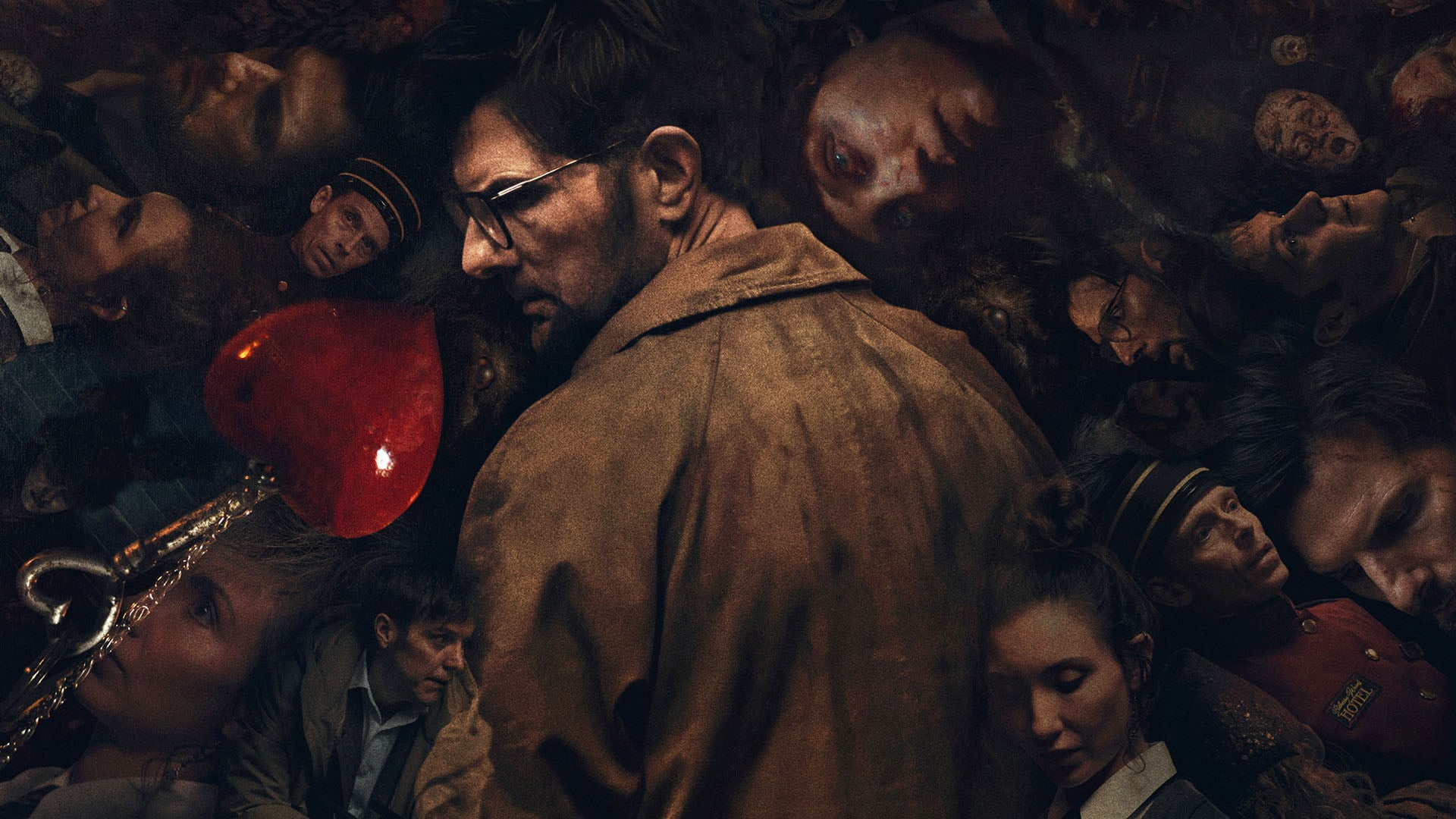
Folk Horror stories need to develop naturally in order to feel authentic. Over time, generational beliefs bleed into popular culture until a storyteller is inspired to bring these narrative traditions to the big screen. This process also means that there’s sometimes a grain of truth to these tall tales of witches and pagan deities, and that’s precisely the case with Damian McCarthy’s recently released Irish nightmare Hokum.
In honor of the film finally hitting home video this week, I’ve decided to explore some of the real inspirations behind the fictional terrors of Hokum in order to find out how deep this Folk Horror rabbit hole goes. Be warned, however, as there are minor spoilers ahead, and McCarthy’s movie is the kind of supernatural mystery that works better the less you know about it going in.
As Hokum’s trailers have already established, the film follows Adam Scott as Ohm Bauman, a troubled writer struggling with the downbeat ending to his latest project as well as a considerable amount of unresolved childhood trauma. Ohm then decides to take a trip to Ireland in order to scatter his deceased parents’ ashes near the hotel where they originally spent their honeymoon. Naturally, the Bilberry Woods Hotel also happens to house a legend about an evil witch – referred to locally as ‘the Cailleach’ – who was sealed in the building’s Honeymoon Suite and is said to reside there to this very day.
Now, what the film’s marketing doesn’t reveal is that the Bilberry Woods Hotel is meant to be more than McCarthy’s Irish answer to The Shining’s Overlook. i.e., Kneverday from Folklore in Film actually makes a very compelling argument, suggesting that the real-life Ballygally Castle Hotel likely inspired McCarthy’s latest horror outing, with this ancient building having its own sordid history involving family-motivated murder and ghostly visitors.
According to legend, the castle’s original owner, a Scottish Lord from the 1600s, decided to punish his wife for the crime of failing to bear him a son by imprisoning her at the top of the castle. The Lady eventually fell to her death, and to this day, there are rumors of a ghostly figure wandering around the hotel grounds. Not only that, but the castle also used to have its own wild woman of the woods who lived in the area and often scared guests during the late 1800s due to her bizarre demeanor and unkempt appearance.
Although there’s no record of her drinking milk laced with magic mushrooms…

McCarthy hasn’t spoken out about these possible inspirations, but given how all three of his feature films so far are connected by the idea of women being harmed by men they trust, it would make sense for the story of the Scottish Lady and the ensuing mythology surrounding the tragedy to inform his latest project (especially where Florence Ordesh’s bartender character is concerned).
Beyond the history of the Hotel itself, Hokum also exhibits many similarities with existing tales of Irish folklore despite being a completely original yarn made up by McCarthy. For instance, the recurring idea that these supernatural entities are chaotic wildcards beyond good and evil rather than traditionally malevolent antagonists is a classic theme in Gaelic mythology. In fact, this is something else that all of McCarthy’s features have in common, as the paranormal elements in these stories are used to punish our antagonists by the end of the picture.
The film’s version of the Cailleach is only loosely inspired by the Gaelic tradition of associating wild crones with the oncoming threats of winter, seaborne storms and -obviously- old age. However, there exists an Old Irish poem called The Lament of the Old Woman of Beara that some scholars interpret as a story explaining how The Cailleach came to be so old while also fostering fifty children in the Beara Peninsula. This association with children may very well be the root of the witch’s penchant for kidnapping kids (and the occasional naughty adult) in Hokum.

That being said, the film’s use of “Cailleach” actually refers to a generic hag figure rather than any specific witch or nature goddess that chains her victims up and drags them screaming into the underworld. The idea of using chalk to protect yourself against these entities was also made up by McCarthy as a visually-striking plot device (likely inspired by the protective circles of apotropaic magic). Of course, these creative liberties are thematically in line with the folkloric history that the filmmakers are trying to evoke here, and the director has stated that much of what we see from the protagonist’s point of view is, in fact, hokum due to that mind-bending reveal from the end of the flick.
While these mythological inspirations are certainly fascinating, the most compelling part of Hokum is the fact that, in classic McCarthy fashion, the antagonists here are all too human. This grounded detail makes the director’s films much more impactful than your average supernatural scare-fest that fades from memory the second that you remember that ghosts and goblins can’t hurt you in real life.
Of course, while I may be a skeptic, you couldn’t pay me to take a trip down that rickety dumbwaiter and check in on the Cailleach for myself – and that’s exactly why I’d recommend that you check out Hokum at home if you somehow missed it in theaters!
Hokum is available now on digital platforms everywhere, with a physical release planned for August.

You must be logged in to post a comment.