


The concept of a remake is not a new one. In fact, some of the most beloved and classic films in history are remakes. Brian De Palma’s Scarface, John Carpenter’s The Thing and David Cronenberg’s The Fly are great examples of what can be accomplished when a remake is done properly.
However, the popular consensus seems to be that remakes (or “reboots”) are for the most part unnecessary and more often than not, turn out to be terrible, uninspired attempts to cash in on a popular film or franchise. I can fully understand why horror fans would take this stance in particular, as horror movies, in general, seem to get more remakes than any other genre in film.
As horror remakes/reboots/etc. continue to come down the pipeline (most notably with Andy Muschietti’s IT and the upcoming Puppet Master: The Littlest Reich), I wanted to take this opportunity to reflect on the top 5 horror remakes of the 21st century (so far). These films improved or altered aspects of their originals successfully while paying homage to them in one way or another. This list by no means indicates they are perfect or succeeded in all their attempts completely, but at least they are more than carbon copies of their predecessors.
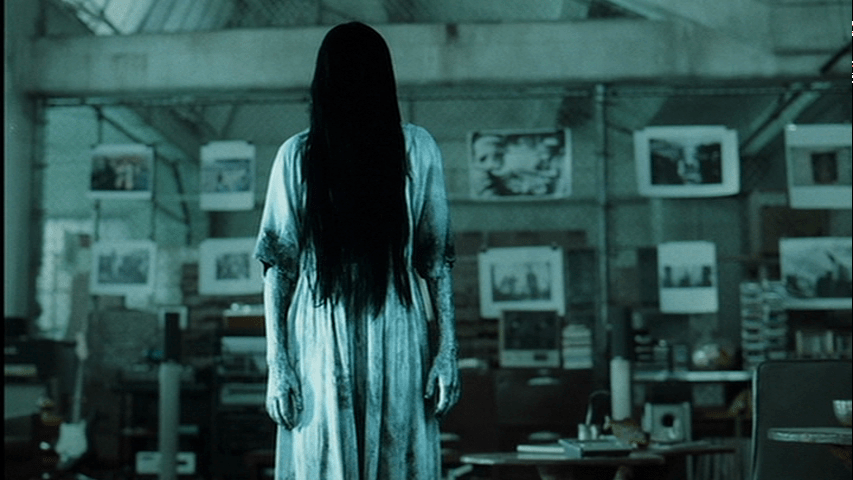
The Ring (2002)
The film tells the story of Rachel (Naomi Watts), a journalist investigating the death of four teenagers (one of whom is her niece). As she delves into the particular circumstances surrounding their deaths, she uncovers rumors of a videotape that kills its viewers seven days after it has been watched.
Based on Ringu, a Japanese film released in 1998, the film as a whole sticks relatively close to the plot of the original film. What makes the film stand apart from its predecessor is the amped up presence of the villain, Samara. With her pale skin and long black hair covering her face, Samara is able to kill simply by scaring the shit out of her victims. Seeing her crawling out of a TV to this day is one of the most terrifying scenes put on film. Director Gore Verbinski (Pirates of The Caribbean, A Cure for Wellness) was able to craft an intense, atmospheric and suspenseful thriller amplified by a star-making performance by Naomi Watts – all while maintaining a PG-13 rating.

The Texas Chainsaw Massacre (2003)
Tobe Hooper’s original film is without a doubt one of the most influential and everlasting horror films of all-time. Hooper was able to capture a sense of fear and terror through the simple idea of what is possible when humans venture into the unknown, creating one of the most iconic villains in history: Leatherface, a one-man wrecking crew with a love for masks made of human flesh, meat hooks and above all else, chainsaws.
Director Marcus Nispel (who would later go on to direct the Friday the 13th reboot in 2009) had a tall order to fill when he took on the task of directing the remake. There is nothing Nispel could have done to outshine the original, so instead, he focused on developing a very dark, gritty and intense film that layered on the violence and gore. It is this approach that makes the remake a worthy companion to the original. In fact, one could argue that Nispel did overly succeed in one particular area: The costume and makeup design of Leatherface. Andrew Bryniarski is very scary looking and his costume only serves to amplify his already hulking 6 foot 5-inch 270-pound frame in the film. Not to mention the film features a very fun performance from resident military guru R. Lee Ermey as Sheriff Hoyt.

Dawn of the Dead (2004)
Before he was known as a flashy comic book director with films like 300 and the upcoming Justice League, Zack Snyder got his first opportunity in the realm of horror. Directing a film based on George A. Romero’s zombie classic, Snyder took the basic concept of the 1978 classic and turned up the intensity.
The film gets into the zombie mayhem early, as Ana (Sarah Polley) awakens one morning only to realize a young girl has become infected with some kind of virus, turning her into a blood-thirsty monster. After seeing her attack her husband and turning into a monster himself, she flees and eventually meets up with other survivors, taking up residence in a local shopping mall. As the film progresses, we meet an array of characters highlighted by Ving Rhames (Pulp Fiction), Jake Weber (Homeland) and Mekhi Phifer (8 Mile).
Snyder incorporates zombies that are fast, effective in numbers and unrelenting in their dismemberment of the living. He never lets the audience get too comfortable. The makeup and gore effects are top notch as well, making for some truly gory kills. The addition of one particular scene involving a chainsaw and another involving the birth of a baby only add to the film as a whole. Having the screenplay written by James Gunn (Slither, Guardians of the Galaxy) is the cherry on top of this zombie treat.

The Hills Have Eyes (2006)
The late Wes Craven had a knack for finding new and disturbing ways to terrify audiences. It’s only fitting that the man who would eventually be responsible for creating Freddy Krueger would first tell the tale of cannibalistic mountain dwellers who stalk and terrorize an all-American family.
Craven’s original Hills Have Eyes was described by many critics in 1977 as brutal and disgusting, and it originally received the X-rating due to its violent content. The film still holds up by modern standards because it relied on genuine performances from the likes of Michael Berryman and James Whitworth and still lives within the realm of possibility to a certain extent within our society today.
French director Alexandre Aja (High Tension) was given the opportunity to helm the remake under the guidance of Wes Craven himself, who acted as a producer on the remake. Aja decided to take the basic concept of Craven’s original 1977 film and incorporate the devastation that nuclear testing could have on the human body through some of the most excellent prosthetic and makeup effects ever put on film. Aja focused his film on making the audience care deeply about his all-American family with the purpose of devastating them with every disturbing kill throughout (of which there are many).
Aja pulls no punches and brings the brutality and gore front and center, and he definitely succeeds in making the audience squirm; there is no better example of this than with what can only be described as “the rape scene,” which continues to be the fabric of nightmares for anyone who views the film. Incorporating “Buffalo Bill” himself, Ted Levine, into the film only enhances the viewing of this brutal remake.

Evil Dead (2013)
Sam Raimi will forever be cemented within the realm of the horror genre thanks to a little film he made in 1981 called The Evil Dead, which itself was actually a feature-length remake of his own short film Within the Woods. Raimi is responsible for introducing the world to one of my favorite sarcastic antiheroes: Ashley J. Williams aka Ash, of course played by Bruce Campbell.
The original film has a much more serious tone than its two sequels and uses practical effects almost exclusively. The film is a shining example of low-budget filmmaking, resulting in a fun, gory possession film that has earned a cult following in the decades since its original release.
Given the continued success of the franchise, Sam Raimi and Bruce Campbell decided to produce a “reboot” of their original film in 2013 in place of the heavily demanded Evil Dead 4 that fans have been clamoring for even to this day, tapping first time Uruguayan director Fede Alvarez to helm the project.
Like many remakes, Alvarez took the basic structure of Raimi’s original and tweaked it to reflect modern times in a sense. The film does not feature any of the original characters and focuses on a new lead protagonist named Mia, who is forced into going to a remote cabin in the woods to help detox from a nasty drug habit. However, as the film progresses, things do not go as planned and the skies turn red with blood (literally).
Alvarez’s film is very serious in tone and the film brings an intensity that is unrelenting at times. The reliance on practical effects and makeup add to the realistic tone the film is going for, resulting in some truly horrific gore effects. The film succeeds in taking what made the original so memorable and enhancing it through a standout performance by Jane Levy and more blood than we’ve seen in a mainstream film in years (Alvarez used over 50,000 gallons of fake blood for a single scene!).


