Editorials
Five Nyctophobia-Based Horror Movies to Stream This Week
Nyctophobia is an irrational fear of the dark, leaving many reaching for a night light. Horror, and the creatures that lurk within it, thrive on darkness. Light becomes a weapon against them.
The Boogeyman, releasing in theaters on June 2, presents the latest monstrous foe to terrorize unsuspecting victims from the darkest recesses of their homes. So, this week’s streaming picks are dedicated to supernatural entities and monsters with an extreme aversion to light.
Here’s where you can stream these five titles this week.
For more Stay Home, Watch Horror picks, click here.
The Hallow – AMC+, Tubi

This dark fairytale is part creature feature, part body horror, and all Irish folktale. Corin Hardy’s feature debut follows a British plant conservationist and his family as they discover the hard way what it means to ignore warning signs and invade the territory of fairies, banshees, and changelings. There’s nothing sweet or cute about these deadly creatures. As the beings descend upon his home and attempt to steal the baby, it becomes evident that one of the most significant assets in this fight for survival is light; the light repels these monsters.
Gremlins – Max
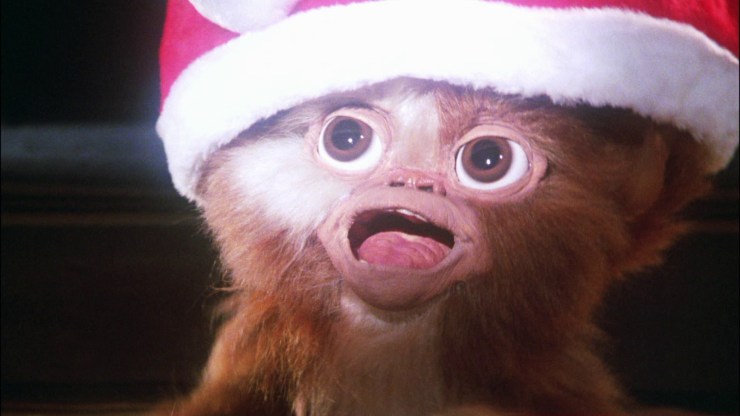
Breaking the mandates of the Mogwai transforms the sleepy little town of Kingston Falls into a chaotic battleground against a horde of menacing Gremlins in Joe Dante’s holiday classic. Inventor Randall Peltzer (Hoyt Axton) gifts his son, Billy (Zach Galligan), a strange new pet for Christmas. The adorable little Mogwai, named Gizmo, comes with strict rules for care but no explanation on why they’re so important. Sunlight will kill a Mogwai, which is both good and bad news, depending on the circumstances. And Billy manages to uncover them all in this darkly comedic gateway horror movie.
Nightbreed – freevee, Peacock, Plex, Pluto TV, Roku, Screambox, Tubi

In this Clive Barker film based on his novella Cabal, Aaron Boone (Craig Sheffer) dreams of a mystical city where monsters dwell. After being framed for murder, Boone travels to find the city, Midian. Nightbreed isn’t just a story about Boone’s new beginning as a citizen of Midian; his arrival changes everything for the monsters and those seeking to destroy them. For many in Nightbreed, death is only the beginning. Sunlight is lethal for many of Midian’s residents, but you’re rooting for them to survive this time.
Pitch Black – Netflix

After crash landing on a desert planet, the crew and passengers of a commercial freight ship soon discover why it’s been seemingly abandoned when a rare eclipse begins. As the world descends into pitch-black darkness, underground aliens erupt onto the surface for a feeding frenzy. Survival will be extremely tough for the humans. The sci-fi horror movie launched a Riddick (Vin Diesel) franchise, but the Bioraptors nearly upstaged him. These predatorial and often cannibalistic aliens’ only prominent vulnerability is photosensitivity. These aliens are built for ripping prey apart, and the overwhelming number of them on the attack makes them more deadly than anything else on this list, especially with so few places to hide.
The Power – AMC+, Shudder

Rose Williams as Val – The Power – Photo Credit: Laura Radford/Shudder
Writer/Director Corinna Faith uses the late 1973 rolling blackouts that plunged London into darkness every night, caused by a miners’ strike, as a backdrop for this hospital-set haunter. Faith uses a familiar period ghost story as a foundation to create a psychologically powerful tale full of claustrophobic dread and nyctophobia-induced scares. Rose Williams stars as the young nurse targeted by a malevolent presence that feeds on the dark, which is bad news considering the city is inundated by it.
Editorials
Before ‘The Blair Witch Project’, ‘Alien Autopsy’ Showed How Real Found Footage Could Feel
The line separating artist from con man is a lot thinner than you might initially believe. While I think we can all agree that lying for the sake of profit is actively malicious behavior, isn’t it also true that the faux documentary aspect of The Blair Witch Project is half the reason why that film became such a cultural phenomenon? After all, if there’s one thing filmmakers have in common with stage magicians, it’s that misleading and misdirecting audiences is simply part of the job.
That’s why I’ve developed a habit of mostly ignoring the moral quandaries behind many of film and television’s biggest “hoaxes” in favor of appreciating the narrative elements that drive productions like Mermaids: The Body Found and even Animal Planet’s highly underrated The Cannibal in the Jungle. However, if there’s a definitive case of a highly publicized broadcast fooling the world into taking it seriously, it has to be Fox’s infamous 1995 TV special Alien Autopsy: Fact or Fiction.
It’s been over three decades since that eerie footage first haunted television screens right at the peak of the ’90s ufology craze, and in that time, the video has taken on a life of its own. From countless parodies and references in everything from The X-Files to Tony Hawk’s Pro Skater (as well as John Dower’s recently released tell-all documentary The Alien Autopsy Scandal, which I’d highly recommend to genre fans everywhere), there’s no denying the legacy of the Alien Autopsy video. However, I rarely see the tape discussed as what it truly is: a highly convincing found footage film directed by a passionate stage magician and brought to life by masterful practical effects work.
That’s why I’d like to invite readers to join me on a deep dive into one of the most infamous broadcasts of all time in an attempt to reevaluate the footage as a fascinating narrative experience rather than a complete hoax.
The TV Special That Convinced Millions It Was Real

Ray Santilli next to Extraterrestrial replica in ‘The Alien Autopsy Scandal’
For starters, regardless of whether or not you believe that there was in fact an extraterrestrial crash in Roswell during the summer of 1947 and that some form of autopsy was performed on the victims, the producers behind the black & white recordings, Ray Santilli and Gary Shoefield, insist that their video was a “restoration.” Though I’d argue that the proper word is “remake”of genuine footage that was too damaged to air on television. That’s why the duo went on to recruit filmmaker and eccentric magician Spyros Melaris and sculptor/monster designer John Humphreys to bring their version of the autopsy to life and sell it to the highest bidder.
This is where the story of the Alien Autopsy as a narrative experience really begins. Melaris claims that his approach to the faux recording consisted of striving for extreme period accuracy in both shooting equipment and setting while also planting subtle details that would initially seem like mistakes but could later be revealed to actually fit the time period. That being said, the filmmaker was under the impression that the short would be released for free as a PR stunt, with the team later producing and selling an informative documentary chronicling exactly how the footage was faked and commenting on how easy it is to manipulate public perception with a good old-fashioned magic trick.
This obviously isn’t how things went down, and that’s likely the reason why Melaris has since distanced himself from everyone else involved with the project. Yet, no amount of behind-the-scenes drama can undermine the genuine effort that went into making the short as impressive as it is. From the sourcing of real animal organs from a local butcher to make the organic part of the creature more lifelike to the highly detailed sculpt that made use of a hollowed-out underlayer that could be filled with fake blood and assorted viscera, there’s a reason why so many Hollywood specialists are still impressed with the artistry on display here.
Of course, the believability is only half the story, as I think that the best part of the autopsy is how Melaris builds on the existing tension by obscuring certain details and often embracing the chaos of what a real examination of extraterrestrial life could feel like. The camera often goes out of focus at just the right time to make certain effects hit even harder, and we can only speculate as to what the hazmat-suited doctors are gesticulating about during the operation. There’s a real air of mystery to the whole thing that almost makes it feel like a cosmically terrifying, cursed film containing forbidden knowledge that civilians were never meant to see.
So when Fox’s Fact or Fiction brings in the specialists to comment on the film and its otherworldly subject, it’s no surprise that we end up with one of the most memorable mockumentaries of all time – albeit one where the participants are unaware that the footage they’re commenting on is basically a large-scale practical joke. A joke that the network was obviously in on, as many participants claim that the TV special cut out significant portions where guests point out that they believe the footage to be an elaborate hoax.
The Lasting Impact of the Hoax Turned Cultural Event

Regardless, I remember going to bed terrified after watching reruns of the special and thinking about the respected pathologist who claimed that the body was almost certainly inhuman, with even effects maestro Stan Winston commenting on how difficult it would be to recreate some of these visuals through practical puppetry. That’s not even mentioning Jonathan Frakes’ dramatic hyping up of the disturbing imagery as if he was talking about the tape from The Ring, with his spooky demeanor here likely being responsible for his later role as the host of Beyond Belief: Fact or Fiction a few years later.
Personally, I’d argue that the Alien Autopsy phenomenon had just as much of an impact on me as a horror fan as The Blair Witch Project, a film that was almost certainly influenced by the success of this immensely popular hoax (to the point where they even produced their own TV special commenting on Heather’s found footage). Even if Fox didn’t intend to produce a narrative feature about the aftermath of the Roswell crash, the end product still holds up remarkably well as a highly entertaining mockumentary exploring the idea that we may not be alone in the universe.
While neither Santilli nor the rest of the production team has ever commented on this, I also think it’s very likely that the idea of a faux Alien Autopsy could have been influenced by Dean Alioto’s The McPherson Tape/UFO Abduction. I’ve already written about how this granddaddy of found footage was co-opted by rogue ufologists who began selling bootlegs of the tape at conventions as if it were real evidence of a close encounter, so it’s not that much of a stretch to imagine that Santilli and company could have heard about this phenomenon and been inspired to come up with their own highly profitable hoax.
At the end of the day, it’s unlikely that the Alien Autopsy film is recreating any real footage from Roswell, but I can still appreciate the short and the accompanying television event as a standalone horror story that still influences the way we see found footage to this very day.
After all, the possibility that something could be real is often much scarier than finding out for sure – and that’s why I think Alien Autopsy: Fact or Fiction is still worth revisiting three decades down the line.
You must be logged in to post a comment.