Podcasts
[Horror Queers Podcast] A Not-So-Subtle Queer Reading of ‘IT: Chapter One’

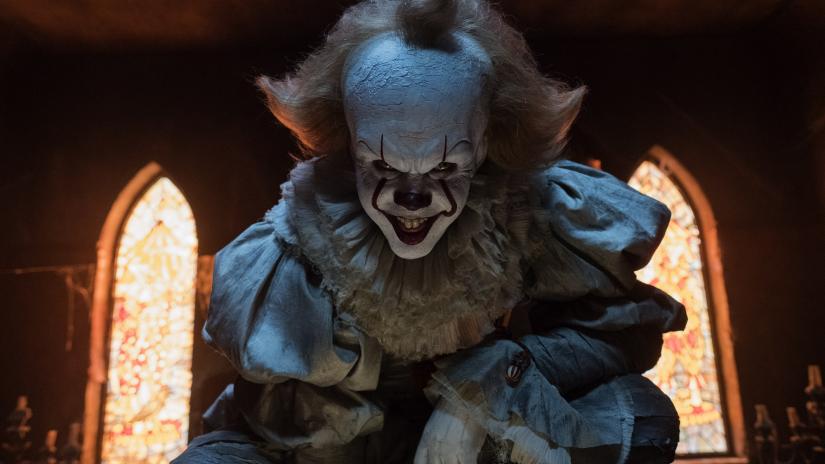
Eddie and Richie are totes gay for each other.
We had a blast celebrating crazy ladies in Femme Fatale Month™ in August. Joe and I explored the themes of Takashi Miike’s controversial Audition, the dynamics between teenage sociopaths Sadie and McKayla in Tyler MacIntyre’s Tragedy Girls, the lesbian relationship at the heart of the Brazilian film Good Manners, and the Lola of it all in Sean Byrne’s ultra-violent (and ultra-hilarious) The Loved Ones.
This week, we’re heading to Derry, Maine to hang out with the Losers’ Club in Andy Muschietti‘s IT: Chapter One! Joining us is resident Stephen King expert Michael Roffman, the editor-in-chief of Consequence of Sound and co-host of the Halloweenies and Losers’ Club podcasts! In the film, seven children are haunted by an evil clown in 1989 and are forced to face their demons.
Be sure to subscribe to the podcast to get a new episode every Wednesday. You can subscribe on iTunes/Apple Podcasts, Stitcher, Spotify, iHeartRadio, SoundCloud, TuneIn, Libsyn, Google Play, and RSS.
Episode 37 – IT: Chapter One (2017)
In an episode almost as long as its source material, the boys kick off Stephen King week with a trip to Derry alongside resident Stephen King expert Michael Roffman. EVERYTHING is on the table: coming of age narratives, bad CGI, the appeal of dancing clowns, as well as Derry and Pennywise as stand-ins for Reagan-era Conservatism. Also, a discussion of whether adults are the true villains, the most effective set pieces and an obligatory queer reading of Richie and Eddie (and if you’ve seen IT: Chapter Two, then you know this isn’t a reach).
Throw in Michael’s analysis of Ariana Grande’s contribution to music, the group’s analysis of why a wave of 90s nostalgia is long overdue, and Trace’s passionate response to hysterical reactions on the Internet.
This Week’s Game: which King universe (book or film) would you live in?
Cross out IT: Chapter One!
Coming up Wednesday: We’re getting a head start on Friday the 13th with a trip to Crystal Lake in Jason Goes to Hell: The Final Friday! The leather-daddy shaving scene alone merits an hour-long discussion.
– Joe & Trace
P.S. Be sure to check out all of our online articles right here, including August’s article on The Town That Dreaded Sundown (2014).
P.P.S. As an added bonus, if you subscribe to our Patreon you can listen to our full-length bonus episode on IT: Chapter Two!




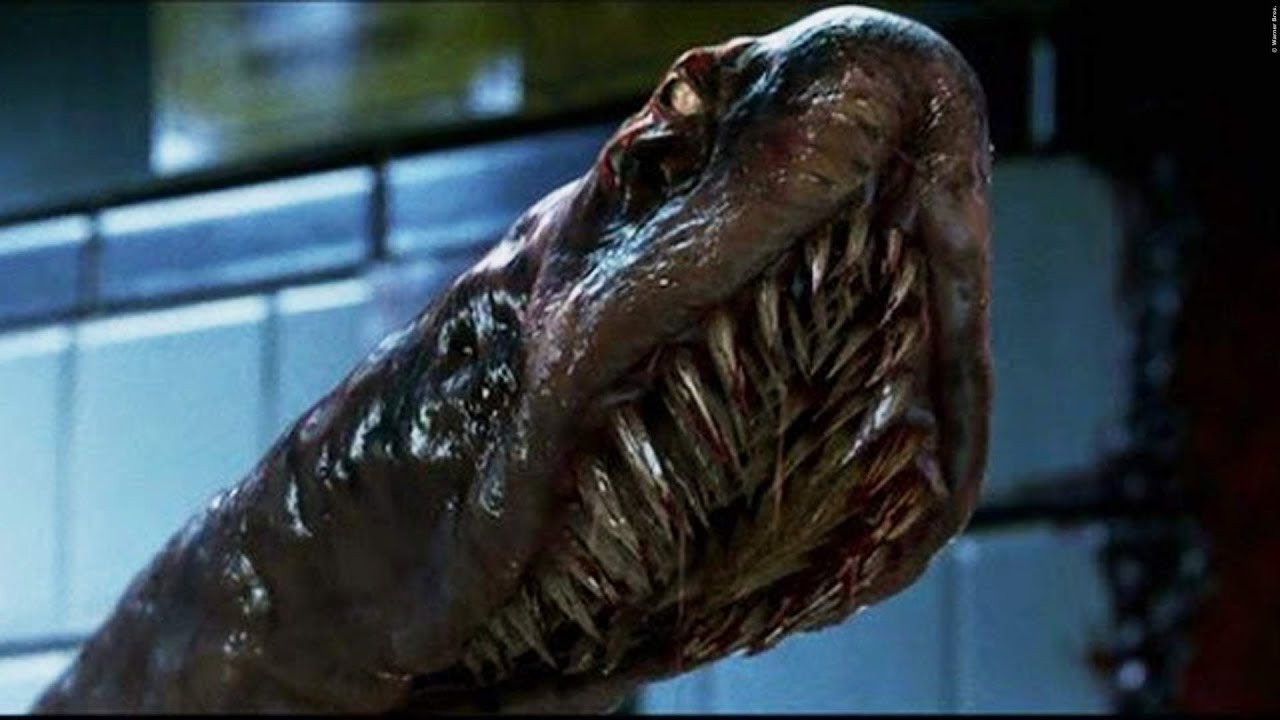
After kicking off July with discussions of Joe Dante’s seminal werewolf film The Howling (listen) and Ken Russell’s controversial erotic thriller Crimes of Passion (listen), we’re heading to Maine to dissect one of Stephen King‘s most misguided adaptations in Lawrence Kasdan‘s 2003 misfire Dreamcatcher!
Dreamcatcher sees friends Henry (Thomas Jane), Jonesy (Damian Lewis), Pete (Timothy Olyphant) and Beaver (Jason Lee) reunite for their annual hunting trip in Maine. Their reunion is cut short when they find themselves caught in the middle of a war between a hostile race of farty-farty aliens and an elite US military unit led by Colonel Abraham Curtis (Morgan Freeman), who has been driven mad after spending decades tracking the extraterrestrials. When Jonesy is possessed by one of the aliens, the remaining friends seek out their disabled childhood friend Duddits (Donnie Wahlberg), who they believe has powers that can save Jonesy…and the world.
Be sure to subscribe to the podcast to get a new episode every Wednesday. You can subscribe on iTunes/Apple Podcasts, Stitcher, Spotify, iHeartRadio, SoundCloud, TuneIn, Amazon Music, and RSS.
Episode 396: Dreamcatcher (2003)
Watch out for “ister gay” (oof), take some Gas-X and bite our bags because we’re talking Lawrence Kasdan’s baffling 2003 adaptation of Stephen King’s equally baffling novel Dreamcatcher.
Join us as we go all in on the farty-farty aliens populating this hilarious misfire that often feels like a bad Kevin Smith script. It’s a film filled with characters who get a single defining trait (if they’re lucky), played by respectable actors who are here for the paycheck (looking at you, Morgan Freeman).
Plus: blown-out assholes, using guns as telephones, pitying poor Donnie Wahlberg, and wondering why the hell this movie is called Dreamcatcher.
Cross out Dreamcatcher!
Coming Up Next: We’re going to be lounging around a posh Greenwich Village apartment as we check in on Jimmy Stewart and Grace Kelly in Alfred Hitchcock’s Rear Window (1954).
P.S. Subscribe to our Patreon for over 513 hours of Patreon content including this month’s new episodes on Terminator 2: Judgment Day, Forbidden Fruits, Saccharine, Evil Dead Burn, an audio commentary on Howling II: Your Sister is a Werewolf (aka Howling II: Stirba – Werewolf Bitch), and the conclusion of our coverage of AMC’s The Vampire Lestat on the Requel Tier.