Editorials
[Retrospective] ‘Splatterhouse 2’ Gave Fans More of The Same, And That’s Still Okay 30 Years Later

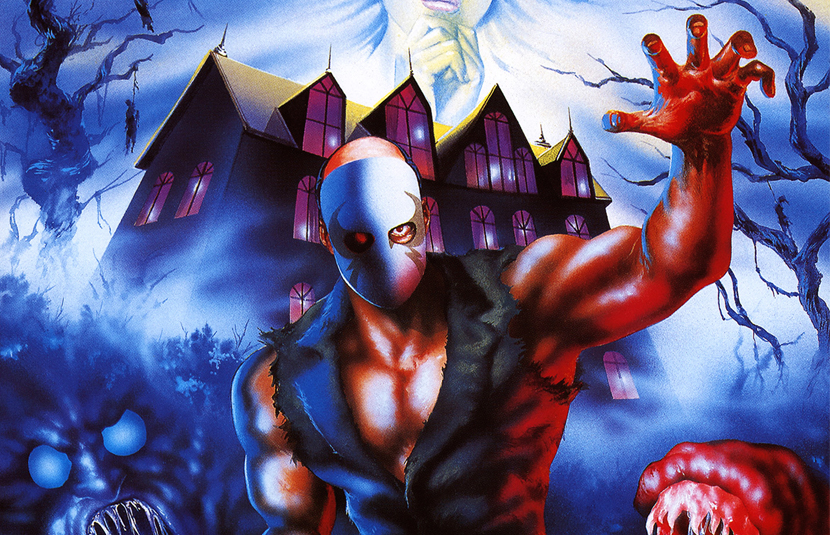
After striking gold in the arcades with Splatterhouse, it looked as if developer Namco had doomed the game to obscurity with a port to NEC TurboGrafx-16. While the TG-16 enjoyed considerable success in Japan, it was squashed in North America by Sega and Nintendo. Thankfully, that threat of obscurity was smacked with a 2×4 when Namco brought Splatterhouse 2 to the Sega Genesis in 1992, giving fans of the original a reason to jump to the Genesis, as well as newcomers to the series a chance to see what they missed the first time around. And keeping to the adage of “if it ain’t broke, don’t fix it”, Namco stuck to the original gameplay formula for the sequel, bringing more gory goodness to the masses.

Taking place three months after the first game, Splatterhouse 2 sees Rick haunted by nightmares over the death of his girlfriend Jennifer, as well as the temptations of the Terror Mask. The mask tells Rick of a way to bring Jennifer back, which involves heading back to the West Mansion. Donning the mask once again, Rick heads back to the ruins of the West Mansion. There, Rick discovers another mansion known as the Hidden House, which is located on an island in the centre of Diamond Lake…
As mentioned, from a gameplay standpoint, Splatterhouse 2 doesn’t deviate too much from the first game. You again walk from left to right, jumping over hazards, pasting enemies against the wall or on the ground, culminating with a boss fight at the end of the level. On occasion, you’ll have single screen events (such as an elevator ride) where you’ll have to survive a gauntlet of enemies that pop up waiting to meet Rick’s fists. There are also a couple of sequences involving the octopus-like Leviathan, which will pursue Rick as he makes his way to the Hidden House, and again when he’s trying to escape. Apart from that, every aspect of Rick’s gameplay from the original is replicated here, from his awkward size and jump, to the health and life system. Thankfully, the slide move that was more often than not a pain to try and pull off successfully has been made slightly easier this time, though it can still present a bit of a challenge to pull off on a consistent basis.

Where we start to see a bit of deviation is in the weapons available to Rick. Apart from the 8-round shotgun, none of the original weapons make an appearance in Splatterhouse 2. That being said, the lead pipe and boat oar function in much the same way as the 2×4 in the original. Rick also now has access to a large fossilized bone that he can use to bludgeon monsters, as well as a chainsaw for one boss encounter. One-time use vials filled with potassium can be thrown and explode on the ground in another level. And because it’s Splatterhouse, there’s an instance where you can take a Ghoul’s decapitated head and fling it at enemies.
And speaking of the enemies, Namco put together a whole new slew of enemies for Rick to pummel this time, many of which carry the first game’s references to horror films. Burned Zombies from the first game return as Deadmen as the first enemies you’ll face in the ruins of the West Mansion. The Boreworms are also back, but have been redesigned slightly to avoid looking like the Chestburster from Alien. And speaking of resembling things, the aforementioned Ghoul looks like something out of C.H.U.D., and you even find them in the sewer. On occasion, Rick will bisect a Ghoul, resulting in the upper torso crawling after you. You also have deer heads (a la Evil Dead 2) that will vomit green bile onto you, as well as creatures called Screaming Mimis that make various appearances throughout the game, leaping down from above to land on Rick. The severed hands also make a reappearance, but again have had slight design changes. You also have Ectoplasms, which are floating spirit heads that will attach themselves to Rick, reversing his controls.

The biggest highlight for Splatterhouse 2 is in its boss designs. Namco obviously put the most effort into their design, as they’re far more gory and disgusting this time around. The first boss you encounter is Bellyache, a giant monstrous blob that’s surrounded by gory viscera in the ruins of the West Mansion. Upon its defeat, its stomach bursts open with green bile. Likewise, the purple Bighead will have his eyes burst upon being beaten by Rick. Then there’s the Blood Puppet, which consists of four deformed fetuses hanging off of hooks that ascend and descend from the ceiling in the third stage. This is where you get to put that chainsaw to work. Upon beating this boss, the screen literally drips and is covered in blood (again, another Evil Dead reference). Oh, and the room where this boss fight takes place features disembowelled corpses with blood running along the ground. Nice.
It’s hard to top that boss, but Namco tries with Bugbrain. What starts out looking like a puddle of blood outside of the Hidden Mansion quickly morphs into a fleshy humanoid shape that on occasion will flick its tongue out before trying to jump onto Rick. Beating its first form will have it transform into something resembling the Norris-Thing from John Carptenter’s The Thing that proceeds to hop around or scuttle across the ground.

Musically, Namco gives Splatterhouse 2 another upgrade. Composed by Eiko Kaneda, the soundtrack ranges from downright creepy dirges and unsettling stage music, to driving boss tracks that help to fuel the action. The Stage 2 music as you descend in the elevator is perfect for getting that uneasy tense feeling going as you try to outlast the Screaming Mimis that fall onto you. Likewise, the music for the sewers again has that uneasy feel to it as you try to make your way out. Comparatively speaking, one could say that the first game’s soundtrack is slightly better, but that’s more of a question of personal taste. If you’re a fan of the Genesis sound chip, you’ll love this.
And then there’s the difficulty. Yep, Splatterhouse 2 brings back the frustration of the first game. But at least this time, Namco made it a little more bearable with the continue system, as well as the adjustable difficulty. It doesn’t make things a complete cakewalk, but at least you won’t be tearing your hair out while playing. North American players also had the added benefit of a password system, which made it easier to pick up where you left off or skip stages (if you chose to go that route).

Any negatives regarding Splatterhouse 2 can be traced back to Namco’s decision to stick with Splatterhouse‘s mechanics, which have not aged well. As mentioned in the Splatterhouse retrospective, Rick’s size and clunky movement left you open to cheap hits in the first game, and the key to beating Splatterhouse involved memorizing enemy patterns. This is true once again in the sequel. It’s a cut-and-paste job that unfortunately keeps Splatterhouse 2 from truly being more than the original game. But, there’s also that charm of the original that is perfectly replicated here, with a few minor tweaks. You could also say that the graphics aren’t as clear as in the original Splatterhouse with some enemies. The original game also employed a more subdued palette. Here, things are a brighter with a more varied palette, which may not be to everyone’s liking.
Often when a sequel gives fans “more of the same”, it’s chastised. And you could say the same for Splatterhouse 2. It also doubly hampers the game due to the reliance on the original game’s antiquated gameplay. However, countering this is the argument that Splatterhouse‘s cult status could have doomed it to obscurity had Namco not made the decision to bring the sequel to the Sega Genesis, giving the series a second chance and a much wider audience. Plus, those who never owned a TurboGrafx-16 could now enjoy the arcade’s gameplay at home. And really, the Splatterhouse series always seemed ripe for cult status, flying just under the radar of the mainstream as a reward for those looking to get into some horror in their video games. Splatterhouse 2 is unabashedly more of the same, but that’s certainly not a bad thing.





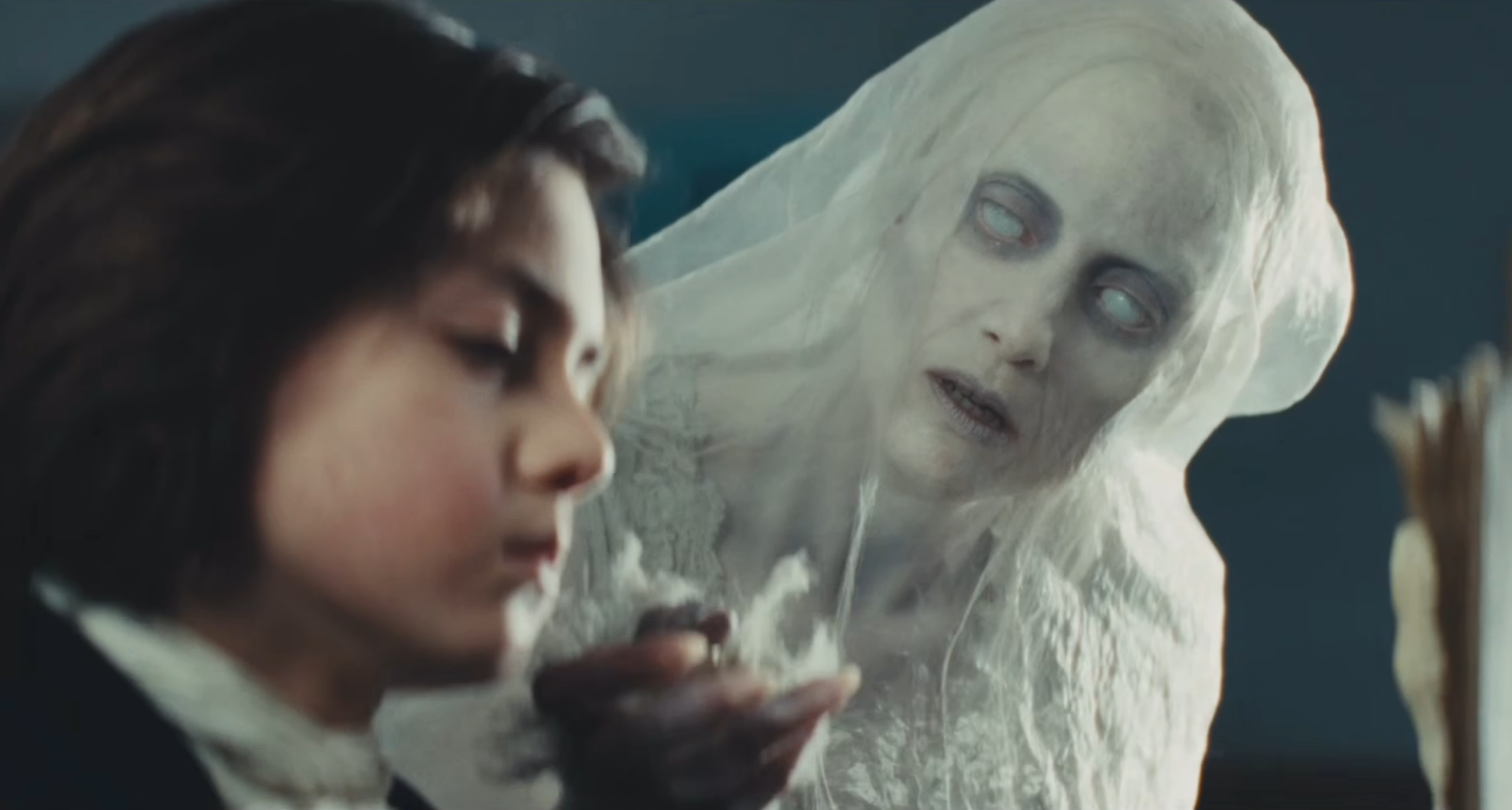
The trailer for Ti West’s upcoming adaptation of A Christmas Carol raised a lot of eyebrows when it dropped earlier this week. While plenty of folks initially dismissed Ebenezer as a derivative project meant to cash in on the recent wave of unnecessary prequels that expand the backstory of beloved characters (such as 2023’s Wonka), Charles Dickens’ original novel already made a point of exploring Ebenezer Scrooge’s origins in detail – meaning that this new film is likely just a particularly faithful adaptation of the source material under a different name.
Couple that with the fact that the movie is being helmed by a genuine horror auteur and I think it’s safe to say that the latest iteration of the first modern ghost story is in good hands.
That being said, one detail that immediately jumped out at me during the brief teaser (other than a blink-and-you’ll-miss-it nod to Johnny Depp’s iconic bedroom death scene from the original A Nightmare on Elm Street) is the fact that many of Ebenezer’s ghosts appear to have been directly lifted from the iconic John Leech illustrations that accompanied the first edition of Dickens’ novel.
Here are a couple of stills from the trailer compared to the original artwork:

The Ghost of Christmas Yet to Come in ‘Ebenezer’ and ‘A Christmas Carol’

The Phantoms in ‘A Christmas Carol’ and ‘Ebenezer’

Marley’s Ghost in ‘Ebenezer’ and ‘A Christmas Carol’
Mainly working with old-school wood and steel engravings that would later be transferred to print, Leech was instrumental in crafting the iconic look of history’s most influential phantoms – especially since Dickens is said to have been deeply involved with the creation of these so-called “comic illustrations.”
And since the novel is commonly said to have popularized spiritualism in Victorian England, much of the ghostly iconography that we still see in genre media to this very day (including some of Ti West’s previous films) can be traced back to the author’s partnership with Leech.
Ebenezer won’t be the first A Christmas Carol adaptation to borrow heavily from these designs, but I can appreciate how Ti West is incorporating an important part of horror history into his latest film.
Ebenezer will be available in theaters starting November 13.

You must be logged in to post a comment.